
join-the-best-heavy-equipment-training-program-in-kampala

Join the Best Heavy Equipment Training Program in Kampala

Join the Best Heavy Equipment Training Program in Kampala. Every great career begins with a single decision — the decision to invest in yourself, to pursue the right skills, and to find the right institution to guide you there. If you are in Kampala and you have been considering a career in heavy equipment operation, that decision starts here. Uganda’s construction, infrastructure, mining, and logistics sectors are growing faster than the current pool of certified operators can serve, and the window of opportunity for anyone willing to train, certify, and step up is wide open. This guide is for the person who is ready to stop considering and start acting — and who wants to know exactly why KCI Institute’s Heavy Trucks Training School is the best heavy equipment training program in Kampala today.

What Makes a Training Program Truly the Best

The word “best” gets used loosely in the education and training sector. Every school claims to offer quality, and every brochure promises results. But the best training program is not defined by what it says about itself — it is defined by what its graduates can do when they walk out the gate on their final day of training.

The best heavy equipment training program in Kampala must deliver genuine hands-on machine hours, not just theory in a classroom. It must be led by instructors who have operated the machines they teach on real job sites, not just studied them academically. It must offer a broad enough course selection that students can build the specific skill set the job market actually demands. It must be transparent about fees, durations, and outcomes. And it must produce graduates who are hired — not just certified.

By every one of these measures, KCI Institute’s Heavy Trucks Training School earns its place at the top. Visit the About Us page to understand the foundation and values that have made this institution one of Kampala’s most trusted names in vocational training, and the About the Founder page for the personal story behind the school’s creation and growth.

A Program Built Around the Uganda Job Market

There is no point training for a job market that does not exist. KCI Institute’s Heavy Trucks Training School has built its entire programme catalogue around the real and current demands of Uganda’s labour market — specifically the construction, road building, mining, agriculture, logistics, and industrial sectors that are driving employment growth across Kampala and Central Uganda.

Every course offered by the school corresponds directly to a machine type that Ugandan employers are actively hiring operators for. This alignment between training content and market demand is not accidental — it reflects years of institutional experience and ongoing engagement with the industries the school serves. For context on the financial rewards that certified operators in Uganda’s job market can expect, the Salary of Heavy Equipment Operators in Uganda guide on the KCI Institute website is essential reading before you choose your course.

The school is also connected to broader career support resources through the KCI Institute network, including the career opportunities page, which actively links graduates with employers and industry contacts operating across Uganda and the wider East African region.

The Courses That Will Launch Your Career

The full course catalogue at KCI Institute’s Heavy Trucks Training School spans the complete spectrum of heavy machinery operation, giving every student the flexibility to tailor their training to their individual career goals. Here is a closer look at the programmes that are most transforming careers in Kampala right now.

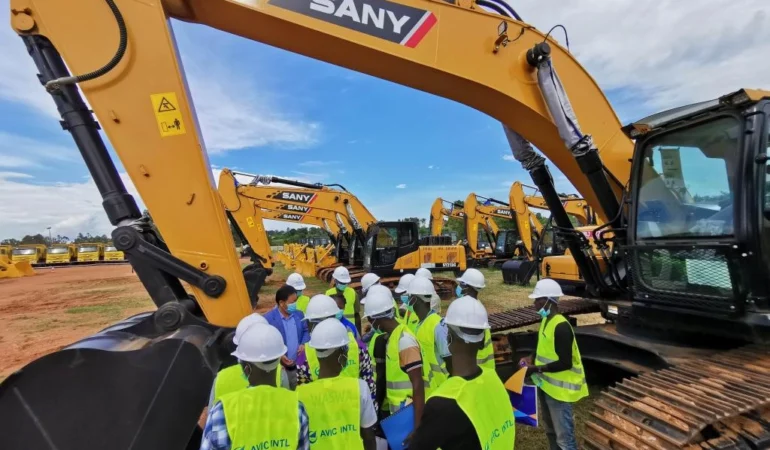
The Excavator Operation Training course is three weeks of intensive, practical instruction on one of the most universally demanded machines in Uganda’s construction sector. From foundation digging to drainage trenching, pipeline installation to material handling, a certified excavator operator is needed on virtually every major project site in the country.

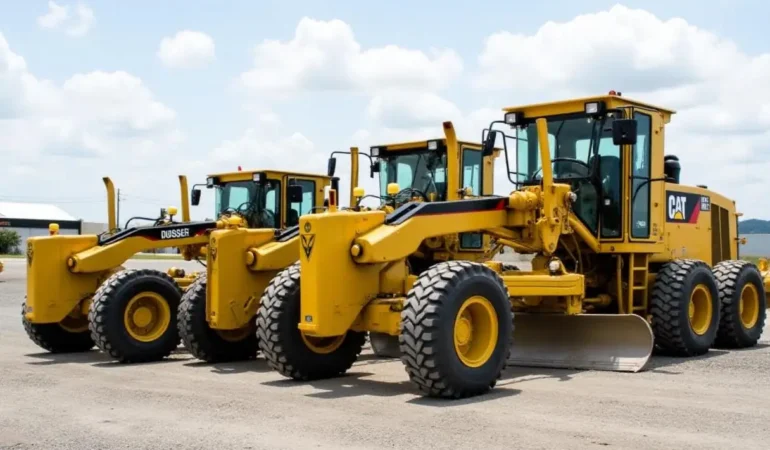
The Grader Operator Training programme runs for four weeks and targets one of the highest-demand specialisations in road construction. Uganda’s ongoing road expansion and maintenance programmes create a continuous need for skilled grader operators, and this certification consistently delivers strong employment outcomes for graduates.

The Bulldozer Training course covers the skills needed for land clearing, earthmoving, and site preparation — the foundational work that precedes every construction project. Over three weeks, students develop the operational confidence and safety awareness that employers expect from a professional bulldozer operator.

The Forklift Operator Training is a two-week programme that opens doors in warehousing, manufacturing, supermarket logistics, and port operations — fast-growing sectors in and around Kampala that demand certified forklift operators as a basic compliance requirement. The Wheel Loader Operator Training course similarly targets quarrying, bulk materials handling, and construction loading roles across Central Uganda and beyond.

For those targeting the crane sector — one of the most specialised and best-compensated areas of heavy machinery operation — the school offers mobile crane training at both the 5–15 tonne and 25–50 tonne levels, as well as a six-week tower crane programme that qualifies graduates for high-rise and major infrastructure projects. Additional programmes in dump trucks, TLBs, Bobcats, rollers, drill rigs, mixer trucks, welding, diesel and petrol engine mechanics, hydraulic systems, and boilermaking round out one of the most comprehensive training menus available anywhere in Kampala.

Short Courses, Lasting Results

One of the most distinctive features of KCI Institute’s Heavy Trucks Training School is the deliberate intensity of its programmes. Most courses are completed in two to four weeks, with the most advanced certifications running to five or six weeks. This is a conscious design choice that reflects the school’s deep understanding of its students’ lives — most people considering vocational training in Kampala cannot afford to step away from their responsibilities for a full academic term.

The school’s intensive training model compresses maximum practical learning into the shortest possible timeframe without ever compromising on quality or depth. Students graduate with the skills, confidence, and certification they need to enter the job market immediately — not after months of waiting. For a realistic breakdown of how training timelines work across different machine types, the how long it takes to learn heavy equipment operation guide is a straightforward and honest resource that helps prospective students plan their training journey with clarity.

Fees That Respect Your Investment

Enrolling in a professional training programme is a financial investment, and every student deserves to know exactly what that investment involves before committing. The fee structure page at KCI Institute’s Heavy Trucks Training School lays out every course cost clearly — for Ugandan nationals and international students separately — with no hidden charges, no ambiguous extras, and no surprises after enrolment.

The pricing is structured to be genuinely accessible for working-class Ugandans who are funding their own training, while remaining competitive for regional and international students who travel from neighbouring countries to access the quality of instruction available here. Whether you are paying from personal savings, family support, or employer sponsorship, the transparency of the fee structure allows you to plan your investment with complete confidence.

Seeing Is Believing — The Training Environment

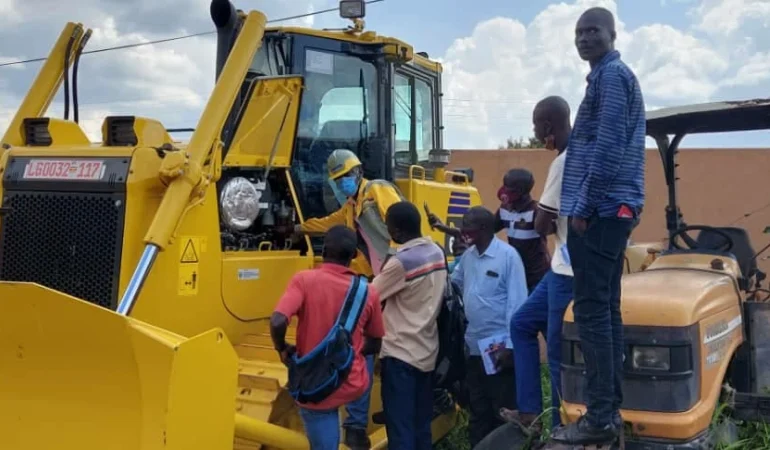
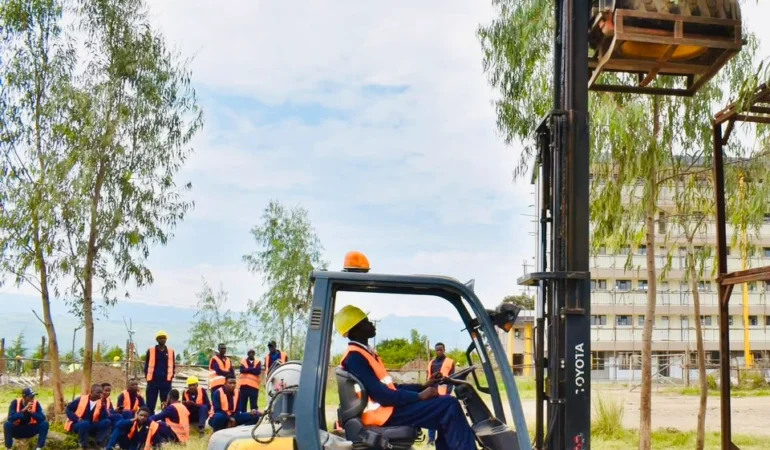
Words can describe a training programme, but images show you the truth. The photo galleries on the Heavy Trucks Training School website offer an unfiltered, authentic look at what training life at the school actually involves — real students, real machines, real instructors, and a real learning environment that prepares graduates for real job sites. What you will see is not a polished promotional image but an honest representation of the hands-on, professional atmosphere that defines the KCI Institute training experience.

Beyond heavy machinery, the wider KCI Institute academic offering gives students access to a broad range of complementary vocational and professional programmes on the Kampala campus, making it possible to build a multi-disciplinary qualification profile that strengthens your professional value across multiple sectors simultaneously.

How to Join the Program Today

Joining the best heavy equipment training program in Kampala is a simple, fast, and welcoming process. Visit the Apply Now page on the Heavy Trucks Training School website to choose your preferred course and submit your enrolment details directly. You can also apply through the KCI Institute application portal, where both in-person campus enrolment and online application options are available for students across Uganda and the wider region.

Intake is open throughout the year, with no fixed term start dates to wait for. Once your application is confirmed, your training begins — and your career begins with it. The machines are ready. The instructors are ready. The job market is ready. The only question is whether you are.

Kampala is building its future one project at a time, and every project needs a certified operator behind the controls. Join the best heavy equipment training program in Kampala today — and make sure that operator is you.

Read More
best-training-centers-for-heavy-machinery-in-central-uganda

Best Training Centers for Heavy Machinery in Central Uganda

Best Training Centers for Heavy Machinery in Central Uganda. Central Uganda is the engine room of the country’s economy. Stretching across Kampala, Wakiso, Mukono, Mpigi, Buikwe, and the surrounding districts, this region is home to Uganda’s most active construction corridors, its busiest logistics networks, its largest industrial zones, and its most ambitious infrastructure development programmes. Every road that is being widened, every building that is rising, every bridge that is being reinforced, and every utility project that is being rolled out across Central Uganda requires one thing above all else — skilled, certified heavy machinery operators.

The demand for trained professionals in this field has never been stronger, and the region’s training institutions are the gateway through which the next generation of operators must pass. If you are based in Central Uganda and you are ready to invest in a career that is hands-on, well-paying, and built for the long term, this guide will help you understand what the best training centers offer, what to look for when making your choice, and why one institution stands clearly at the top.

The State of Heavy Machinery Training in Central Uganda

Vocational and technical training has grown significantly across Uganda in recent years, and Central Uganda has benefited more than most regions from this expansion. The concentration of construction activity, combined with proximity to government institutions, international development organisations, and private sector employers, has created a fertile environment for heavy machinery training schools to establish themselves and grow.

However, not all training centers are created equal. Some offer broad programmes with genuine hands-on machine time and experienced instructors. Others offer certificates with little practical value and limited employer recognition. The difference between these two categories is the difference between a qualification that opens doors and one that sits in a drawer. Choosing wisely is therefore one of the most important decisions you will make at the start of your training journey.

The key indicators of a quality training center in Central Uganda include the range of machines available for practical training, the professional background of instructors, the transparency of fees and course durations, and the track record of graduates in securing meaningful employment. Apply these criteria consistently and the best institutions will quickly distinguish themselves from the rest.

Why KCI Institute’s Heavy Trucks Training School Is Central Uganda’s Premier Choice

When measured against every relevant criterion, KCI Institute’s Heavy Trucks Training School emerges as the leading heavy machinery training institution in Central Uganda. Operating as a specialised department within KCI Institute — one of Uganda’s most established vocational learning institutions since 2009 — the Heavy Trucks Training School brings together professional infrastructure, a comprehensive course catalogue, experienced instructors, and a student-focused training philosophy that has produced work-ready graduates year after year.

The school is based in Kampala, placing it at the centre of Central Uganda’s most active employment and construction zone. This location advantage is significant. Students train close to the sites where they will eventually work, build professional relationships with local employers during their training period, and graduate into a job market they are already geographically connected to. To learn more about the institution’s background, values, and the vision that drives it, the About Us page and the About the Founder page together provide a comprehensive picture.

The Full Range of Heavy Machinery Courses Available

One of the most compelling reasons to choose KCI Institute’s Heavy Trucks Training School is the sheer breadth of programmes on offer. The full course listing covers an extensive range of machines and specialisations, making it possible for students to tailor their training to their specific career goals rather than settling for whatever a more limited school happens to teach.

For earth-moving and site preparation work, the school offers the Excavator Operation Training course — a three-week programme that is consistently one of the most popular certifications among students targeting Uganda’s active construction and road-building sectors. The Bulldozer Training course covers land clearing, earthmoving, and slope management over three weeks, while the Grader Operator Training programme delivers four weeks of precision road-building and levelling skills that are in constant demand across Central Uganda’s expanding road network.

For lifting and crane work — among the highest-paying specialisations in the industry — the school offers mobile crane training for both the 5–15 tonne and 25–50 tonne categories, as well as a six-week tower crane programme for those targeting high-rise and large-scale construction projects. These crane certifications are particularly valuable in Kampala’s growing commercial and residential construction scene, where tower cranes have become a permanent fixture on the city’s skyline.

The Wheel Loader Operator Training and Forklift Operator Training courses open doors into quarrying, warehousing, logistics, and industrial environments — sectors that are expanding rapidly across Central Uganda as Kampala’s economic influence spreads into surrounding districts.

Beyond machine operation, the school also trains students in diesel engine mechanics, petrol engine mechanics, hydraulic systems, welding, and boilermaking — giving technically minded students a pathway into machinery maintenance and workshop management roles that complement operational careers perfectly.

Fees and Course Durations Designed for Real People

A recurring complaint about vocational training in Uganda is that the best programmes are either too expensive for ordinary students or so long in duration that they require people to put their lives entirely on hold. KCI Institute’s Heavy Trucks Training School has deliberately structured its programmes to address both of these concerns head-on.

The fee structure page is fully transparent, listing every course with its exact cost for Ugandan nationals and international students alike. There are no hidden enrolment charges, no surprise material fees, and no ambiguity about what you are paying for before you commit. This level of transparency is a hallmark of a professional and trustworthy institution.

On the duration side, courses at the school run between two and eight weeks depending on the machine type and level of complexity involved. Most popular certifications — including excavator, bulldozer, grader, wheel loader, and forklift — are completed within two to four weeks. This means that a student who enrols today could be a certified, job-ready operator within a month, without having to relocate, take on debt, or sacrifice an entire academic year. For a detailed look at how training timelines break down by machine, the how long it takes to learn heavy equipment operation guide is an excellent and honest reference.

Salaries and Career Prospects for Central Uganda Graduates

Earning potential is a legitimate and important consideration when choosing any vocational programme, and heavy machinery operation delivers strong financial returns for certified graduates in Central Uganda. Operators working on major road projects, government infrastructure contracts, mining sites, and international development programmes consistently earn salaries that place them among the better-paid skilled workers in Uganda’s labour market.

The Salary of Heavy Equipment Operators in Uganda resource provides a thorough, up-to-date breakdown of what different categories of operators earn across various sectors and experience levels. Reading this resource before selecting your course is a smart move — it can help you identify which certifications offer the strongest immediate return and which open doors to the highest long-term earning potential.

Graduates from KCI Institute’s Heavy Trucks Training School have gone on to work with major construction companies, road contractors, equipment hire firms, and international project organisations operating across Central Uganda and beyond. The institution’s career opportunities page actively connects trained graduates with relevant employers, providing a valuable professional bridge between the training ground and the job site.

What the Training Experience Actually Looks Like

Understanding what you are signing up for before you enrol is important, and KCI Institute makes this easy. The photo galleries on the Heavy Trucks Training School website offer a genuine, unedited look at what training life looks like — real students on real machines, learning in a professional environment that mirrors actual job site conditions.

The school’s instructors bring authentic field experience into every session. Rather than following a theoretical script, they draw on real-world scenarios, common operational challenges, and practical problem-solving techniques that students can apply immediately on the job. This approach produces graduates who are genuinely confident in their abilities, not just technically certified on paper.

The broader KCI Institute UVTAB courses and admissions information are also worth exploring for students who wish to combine heavy machinery training with other vocational or academic qualifications available at the Kampala campus.

Serving Students from Across Central Uganda

While the school is based in Kampala, it draws students from every district across Central Uganda — from Wakiso and Mukono to Luweero, Mityana, Masaka, and beyond. The short course durations make it entirely practical for students to commute from nearby districts for their training period rather than relocating entirely, keeping personal costs low while still accessing Kampala-quality instruction.

International students from Rwanda, Tanzania, South Sudan, the Democratic Republic of Congo, and other neighbouring countries also regularly enrol at the school, attracted by the combination of affordable fees, comprehensive course offerings, and the credibility of a KCI Institute certification. The Apply Now page on the Heavy Trucks Training School website accommodates both local and regional applicants smoothly.

How to Apply and Begin Your Training

Getting started is straightforward. Visit the Apply Now page on the Heavy Trucks Training School website to select your preferred course and submit your enrolment details. Alternatively, you can apply through the KCI Institute application portal, where both physical campus enrolment and online application options are available to suit your personal circumstances.

Intake is rolling throughout the year, meaning you do not have to wait for a fixed term start date. As soon as your application is processed and confirmed, your training can begin — a huge advantage for motivated students who are ready to move quickly from decision to certification.

Central Uganda’s construction and infrastructure sectors are growing at a pace that the region’s current pool of certified operators simply cannot keep up with. The gap between supply and demand is your opportunity. The best training center in the region is ready to take you from where you are today to where the industry needs you to be — certified, confident, and career-ready.

Read More
kampalas-top-schools-for-excavator-and-crane-training

Kampala’s Top Schools for Excavator and Crane Training

Kampala’s Top Schools for Excavator and Crane Training. Uganda’s skyline is changing. Towers are rising, roads are being widened, bridges are being constructed, and large-scale infrastructure projects are spreading from Kampala into every corner of the country. Behind all of this progress are two categories of heavy machinery that dominate modern construction — excavators and cranes. These are the machines that dig foundations, lift steel beams, lay pipelines, and shape the physical environment we all live and work in. And the professionals who operate them are among the most sought-after workers in Uganda’s labour market today.

If you are serious about building a career in excavator or crane operation, your first decision is one of the most important — choosing the right school to train at. This guide looks at what Kampala’s top training institutions offer, what you should expect from quality training, and why KCI Institute’s Heavy Trucks Training School stands above the rest.

Why Excavator and Crane Skills Are in High Demand in Kampala

Kampala and its surrounding districts are in a state of constant construction. Government road projects, private housing estates, commercial complexes, water and sewage infrastructure, and industrial facilities are all active simultaneously, creating an unrelenting demand for skilled equipment operators. Excavators and cranes sit at the centre of this demand — they are indispensable on virtually every large construction site, and there are simply not enough certified operators to fill all available positions.

Beyond Kampala, Uganda’s oil and gas developments in the Albertine region, large hydropower projects, and growing mining activity in the west all require excavator and crane operators in significant numbers. For a certified professional, this translates directly into job security, competitive salaries, and the opportunity to work across a variety of industries and project types throughout the country and across East Africa.

The Salary of Heavy Equipment Operators in Uganda resource gives a detailed picture of what trained operators in these specialisations earn — and the figures make a compelling case for investing in quality certification as early as possible.

What to Expect from a Top Excavator Training School in Kampala

Excavator training is far more than learning how to swing a bucket and dig a hole. A top-quality excavator training programme teaches you the full scope of what it means to be a professional operator — from pre-operation inspections and machine setup to precision digging, trenching, material handling, and site safety communication.

The best schools in Kampala will place you in the seat of a real excavator from the very first days of training. You will learn how to read site conditions, how to position the machine correctly for different tasks, how to work safely alongside other site workers and vehicles, and how to handle common operational challenges without causing damage to the machine, the site, or the people around you.

At KCI Institute’s Heavy Trucks Training School, the Excavator Operation Training course runs for three intensive weeks and covers all of these elements in a structured, progressive format. Students move from basic machine familiarisation to advanced operational tasks, guided by instructors with genuine field experience. The result is a graduate who is not just certified on paper but genuinely capable of performing at a professional level from day one of employment.

Understanding the Different Types of Crane Training Available

Crane training is a more specialised field than many people realise. Cranes come in several types, each with its own operational requirements, load management techniques, and safety considerations. A well-rounded training school in Kampala should offer programmes across multiple crane categories, allowing students to choose the certification most relevant to their career goals.

Mobile Crane Training covers the operation of cranes mounted on wheeled or tracked vehicles that can be driven between sites. These are the cranes you most commonly see on road construction and building projects, lifting heavy materials and positioning structural components. KCI Institute offers mobile crane training for both the 5–15 tonne and the 25–50 tonne categories, recognising that operators working on smaller projects and those on large industrial sites have different technical needs.

Tower Crane Training is the most advanced crane certification available at the school, running for six weeks. Tower cranes are the tall, fixed cranes seen on high-rise building construction sites in Kampala’s central business district and growing suburbs. Operating a tower crane requires a high level of precision, strong spatial awareness, and the ability to communicate clearly with ground crew during complex lifts. This certification opens doors to some of the highest-paying operator roles in Uganda’s construction sector.

For a full overview of all crane and lifting equipment programmes on offer, the complete course listing at KCI Institute’s Heavy Trucks Training School is the best starting point.

Why KCI Institute’s Heavy Trucks Training School Leads in Kampala

Among all the institutions offering heavy machinery training in Kampala, KCI Institute’s Heavy Trucks Training School has built a reputation that sets it apart. As a specialised department of KCI Institute — an established Uganda vocational institution with over fifteen years of experience — the school brings institutional credibility, professional infrastructure, and a student-centred training philosophy to everything it does.

The school’s instructors are not classroom theorists. They are experienced machinery professionals who bring years of field knowledge into the training environment, sharing the kind of practical insight that only comes from real-world operation. Students benefit from this direct transfer of professional experience, gaining not just technical skills but the operational judgment and site awareness that employers value most.

The training environment itself is designed to reflect real job site conditions as closely as possible. Students work with actual, modern equipment under realistic operating scenarios, so the transition from training ground to employment site is smooth and confident. You can see this environment in action through the photo galleries on the school’s website, which showcase genuine students in training across multiple machine types.

Complementary Courses to Strengthen Your Career Profile

While excavator and crane certifications are powerful on their own, the most competitive operators in Uganda’s job market are those who hold multiple certifications across related machine types. KCI Institute’s Heavy Trucks Training School makes this easy by offering a wide range of complementary programmes that pair naturally with excavator and crane training.

The Bulldozer Training course is a natural companion to excavator certification, covering the land-clearing and site-preparation work that precedes most excavation tasks. The Grader Operator Training programme builds road-finishing and precision levelling skills that complement earthmoving expertise perfectly. The Wheel Loader Operator Training and Forklift Operator Training add materials-handling capabilities that are valuable on virtually every major project.

For operators interested in the mechanical side of the industry, the school also offers diesel engine mechanics, petrol engine mechanics, hydraulic systems, and welding courses — skills that can open doors into machinery maintenance and workshop supervision roles alongside operational careers.

Fees, Duration, and What Training Costs

One of the most important factors in choosing a training school is understanding exactly what you are paying for and how long the commitment will last. KCI Institute’s Heavy Trucks Training School is completely transparent about both. The fee structure page lists every course with its full cost for both Ugandan nationals and international students, so there are no surprises after you enrol.

Excavator training runs for three weeks, mobile crane training for five weeks, and tower crane training for six weeks — all of which are genuinely short compared to the career benefits they deliver. For more context on training durations across different machine types, the how long it takes to learn heavy equipment operation guide provides an honest and detailed breakdown that helps prospective students plan their training journey realistically.

Building a Long-Term Career After Certification

Graduating from a top training school in Kampala is not the end of your journey — it is the beginning. Certified excavator and crane operators in Uganda have multiple career pathways open to them, from site employment with major construction firms to freelance contracting, equipment hire companies, supervisory roles, and even international project work in neighbouring countries.

KCI Institute supports its graduates beyond the classroom. The institution’s career opportunities page connects trained professionals with relevant employers and industry contacts, providing a valuable bridge between training and employment. The broader KCI Institute academic programmes also offer pathways for graduates who wish to advance their qualifications further in complementary fields.

How to Apply and Secure Your Place

Applying to train at KCI Institute’s Heavy Trucks Training School is a simple, fast process. Visit the Apply Now page to select your preferred course and submit your enrolment details directly. You can also apply through the KCI Institute application portal, where both physical campus and online enrolment options are available to suit your circumstances.

Before you apply, spend a few minutes on the About Us page to understand the school’s values and training approach, and visit the About the Founder page for insight into the leadership and vision behind the institution.

Kampala’s construction industry is moving fast. The excavators are digging, the cranes are lifting, and the operators behind them are building careers that will last a lifetime. The right training school is right here — and your place is waiting.

Read More
heavy-machinery-training-institutes-in-kampala

Heavy Machinery Training Institutes in Kampala

Heavy Machinery Training Institutes in Kampala. Uganda is building. From the oil pipeline in the Albertine region to the expanding road networks across the country, from new housing estates in Wakiso to commercial developments in Kampala’s suburbs — the country is in a sustained construction boom. At the heart of all this activity are two machines that make the earth move: the excavator and the bulldozer. And behind every great machine is a skilled, certified operator. If you have ever considered a career in heavy equipment operation, now is the right time to explore what Uganda’s job market has to offer.

The Growing Demand for Heavy Equipment Operators in Uganda

Uganda’s infrastructure ambitions are enormous. The government has committed to major road construction, dam projects, irrigation schemes, and urban development plans that require earth-moving equipment around the clock. Private investors are equally active, with mining operations in the west, large-scale farming projects in the north, and commercial real estate growing in every major city.

The result is a widening skills gap. There are simply not enough certified excavator and bulldozer operators to meet the current and projected demand. This makes it an ideal moment for anyone with certified training to enter the job market with confidence. Employers are actively competing for qualified operators, and those who come prepared with hands-on, recognised certification have a significant advantage.

What Excavator Operators Do — and Where They Work

Excavator operators are among the most versatile professionals on any construction site. They handle digging, trenching, lifting, demolition, and material loading across a wide range of environments. In Uganda, certified excavator operators find employment in road construction companies, building contractors, mining firms, irrigation and water projects, and municipal drainage work.

The Excavator Operation Training programme at KCI Institute’s Heavy Trucks Training School prepares students to handle all of these tasks confidently. The course covers machine controls, safe operating procedures, site communication, and real-world applications — all delivered through hands-on practice on actual equipment.

Beyond construction, excavator operators are increasingly needed on agricultural projects that require land clearing, soil turning, and pond excavation. Oil and gas companies operating in western Uganda also hire excavator operators for pipeline trenching and site preparation, making this one of the most diversified career paths in the heavy equipment sector.

What Bulldozer Operators Do — and Where They Work

While the excavator digs, the bulldozer reshapes the land. Bulldozer operators are responsible for clearing vegetation, pushing topsoil, grading rough terrain, and preparing sites for construction. Their work is foundational — nothing gets built until the bulldozer has done its job.

In Uganda, bulldozer operators are in demand across road and highway projects, land clearing for real estate and agriculture, mining site preparation, dam construction, and large-scale landscaping. The Bulldozer Training course at KCI Institute covers all the essential skills, including machine operation, slope management, push-loading techniques, and site safety — delivering operators who are work-ready from day one.

Career Paths and Job Types Available

The career paths open to excavator and bulldozer operators in Uganda are broader than most people realise. Here are some of the common roles and employment routes available after certification:

Site Operator — This is the entry-level position on most construction projects. You operate your assigned machine under site supervision, working within a team to complete earthworks according to project specifications. It is a stable, well-paying starting point.

Equipment Hire Operator — Many machinery hire companies in Uganda contract skilled operators alongside their equipment rentals. This is a flexible role that exposes you to a wide variety of sites and projects across the country.

Self-Employed / Freelance Operator — Experienced operators who build a strong reputation sometimes move into freelance work, contracting directly with project managers and developers. This path offers higher earning potential but requires strong professional networks.

Supervisor / Site Foreman — With experience, certified operators often move into supervisory roles, overseeing teams of operators and coordinating earthworks with site engineers and project managers.

Trainer or Instructor — Skilled professionals can transition into teaching the next generation of operators, working with institutions like KCI Institute to deliver practical training programmes.

Salaries and Earning Potential

One of the strongest arguments for pursuing certification in excavator or bulldozer operation is the financial reward. Salaries for certified heavy equipment operators in Uganda vary by experience, employer, and the type of project, but trained professionals consistently earn well above the national average wage for unskilled or semi-skilled workers. For a detailed look at what you can expect to earn, the Salary of Heavy Equipment Operators in Uganda guide covers the figures comprehensively.

Operators working on international projects — such as those funded by the World Bank, the African Development Bank, or multinational oil companies — often earn significantly more, particularly when formal certification and a verifiable training record are required.

The Role of Certification in Getting Hired

Employers do not just want someone who can sit in a cab and pull levers. They want operators who understand machine safety, can read a site plan, communicate effectively with supervisors, and minimise machine downtime through good operating practices. Formal certification from a recognised institution is what separates a trusted professional from an untrained operator.

KCI Institute’s full course listing covers excavator and bulldozer training alongside a wide range of complementary equipment, giving you the option to cross-train on multiple machines and expand your career options even further. The fee structure is transparent and designed to be accessible to both Ugandan nationals and international students from the region.

How to Get Started Today

If you are ready to begin your career as a certified excavator or bulldozer operator in Uganda, the path is clear. Visit the Apply Now page on the Heavy Trucks Training School website to enrol in your preferred course. You can also go directly to KCI Institute’s application portal to submit your application and choose between physical and online enrolment options.

Training is intensive, practical, and designed to get you on the job market as quickly as possible. Most courses run between two and six weeks, meaning your new career could begin sooner than you think. Take a look at the school galleries to see real students training on real equipment, and visit the About Us page to learn more about the institution behind the training.

Uganda is building its future — and it needs skilled operators to lead the way. Start your journey today.

Read More
career-opportunities-for-excavator-and-bulldozer-operators

Career Opportunities for Excavator and Bulldozer Operators

Career Opportunities for Excavator and Bulldozer Operators. Uganda is building. From the oil pipeline in the Albertine region to the expanding road networks across the country, from new housing estates in Wakiso to commercial developments in Kampala’s suburbs — the country is in a sustained construction boom. At the heart of all this activity are two machines that make the earth move: the excavator and the bulldozer. And behind every great machine is a skilled, certified operator. If you have ever considered a career in heavy equipment operation, now is the right time to explore what Uganda’s job market has to offer.

The Growing Demand for Heavy Equipment Operators in Uganda

Uganda’s infrastructure ambitions are enormous. The government has committed to major road construction, dam projects, irrigation schemes, and urban development plans that require earth-moving equipment around the clock. Private investors are equally active, with mining operations in the west, large-scale farming projects in the north, and commercial real estate growing in every major city.

The result is a widening skills gap. There are simply not enough certified excavator and bulldozer operators to meet the current and projected demand. This makes it an ideal moment for anyone with certified training to enter the job market with confidence. Employers are actively competing for qualified operators, and those who come prepared with hands-on, recognised certification have a significant advantage.

What Excavator Operators Do — and Where They Work

Excavator operators are among the most versatile professionals on any construction site. They handle digging, trenching, lifting, demolition, and material loading across a wide range of environments. In Uganda, certified excavator operators find employment in road construction companies, building contractors, mining firms, irrigation and water projects, and municipal drainage work.

The Excavator Operation Training programme at KCI Institute’s Heavy Trucks Training School prepares students to handle all of these tasks confidently. The course covers machine controls, safe operating procedures, site communication, and real-world applications — all delivered through hands-on practice on actual equipment.

Beyond construction, excavator operators are increasingly needed on agricultural projects that require land clearing, soil turning, and pond excavation. Oil and gas companies operating in western Uganda also hire excavator operators for pipeline trenching and site preparation, making this one of the most diversified career paths in the heavy equipment sector.

What Bulldozer Operators Do — and Where They Work

While the excavator digs, the bulldozer reshapes the land. Bulldozer operators are responsible for clearing vegetation, pushing topsoil, grading rough terrain, and preparing sites for construction. Their work is foundational — nothing gets built until the bulldozer has done its job.

In Uganda, bulldozer operators are in demand across road and highway projects, land clearing for real estate and agriculture, mining site preparation, dam construction, and large-scale landscaping. The Bulldozer Training course at KCI Institute covers all the essential skills, including machine operation, slope management, push-loading techniques, and site safety — delivering operators who are work-ready from day one.

Career Paths and Job Types Available

The career paths open to excavator and bulldozer operators in Uganda are broader than most people realise. Here are some of the common roles and employment routes available after certification:

Site Operator — This is the entry-level position on most construction projects. You operate your assigned machine under site supervision, working within a team to complete earthworks according to project specifications. It is a stable, well-paying starting point.

Equipment Hire Operator — Many machinery hire companies in Uganda contract skilled operators alongside their equipment rentals. This is a flexible role that exposes you to a wide variety of sites and projects across the country.

Self-Employed / Freelance Operator — Experienced operators who build a strong reputation sometimes move into freelance work, contracting directly with project managers and developers. This path offers higher earning potential but requires strong professional networks.

Supervisor / Site Foreman — With experience, certified operators often move into supervisory roles, overseeing teams of operators and coordinating earthworks with site engineers and project managers.

Trainer or Instructor — Skilled professionals can transition into teaching the next generation of operators, working with institutions like KCI Institute to deliver practical training programmes.

Salaries and Earning Potential

One of the strongest arguments for pursuing certification in excavator or bulldozer operation is the financial reward. Salaries for certified heavy equipment operators in Uganda vary by experience, employer, and the type of project, but trained professionals consistently earn well above the national average wage for unskilled or semi-skilled workers. For a detailed look at what you can expect to earn, the Salary of Heavy Equipment Operators in Uganda guide covers the figures comprehensively.

Operators working on international projects — such as those funded by the World Bank, the African Development Bank, or multinational oil companies — often earn significantly more, particularly when formal certification and a verifiable training record are required.

The Role of Certification in Getting Hired

Employers do not just want someone who can sit in a cab and pull levers. They want operators who understand machine safety, can read a site plan, communicate effectively with supervisors, and minimise machine downtime through good operating practices. Formal certification from a recognised institution is what separates a trusted professional from an untrained operator.

KCI Institute’s full course listing covers excavator and bulldozer training alongside a wide range of complementary equipment, giving you the option to cross-train on multiple machines and expand your career options even further. The fee structure is transparent and designed to be accessible to both Ugandan nationals and international students from the region.

How to Get Started Today

If you are ready to begin your career as a certified excavator or bulldozer operator in Uganda, the path is clear. Visit the Apply Now page on the Heavy Trucks Training School website to enrol in your preferred course. You can also go directly to KCI Institute’s application portal to submit your application and choose between physical and online enrolment options.

Training is intensive, practical, and designed to get you on the job market as quickly as possible. Most courses run between two and six weeks, meaning your new career could begin sooner than you think. Take a look at the school galleries to see real students training on real equipment, and visit the About Us page to learn more about the institution behind the training.

Uganda is building its future — and it needs skilled operators to lead the way. Start your journey today.

Read More
where-to-get-certified-in-heavy-equipment-operation-in-kampala

Where to Get Certified in Heavy Equipment Operation in Kampala

Where to Get Certified in Heavy Equipment Operation in Kampala. Uganda’s construction, infrastructure, and agricultural sectors are growing at a rapid pace, and the demand for skilled, certified heavy equipment operators has never been higher. Whether you are a fresh school leaver looking to build a career, or a working professional seeking to upgrade your skills, getting certified in heavy equipment operation in Kampala is one of the smartest investments you can make. This guide walks you through everything you need to know, including where to train, what courses are available, and why certification matters.

Why Heavy Equipment Certification Matters in Uganda

Before you pick up a machine, you need the right paperwork to back you up. Certification in heavy equipment operation is not just a formality — it is a career requirement. Employers in construction, mining, road building, and logistics demand proof that operators can handle expensive, powerful machinery safely and efficiently. A certified operator is trusted on the job site, commands a better salary, and faces fewer legal hurdles when working on major projects. If you are wondering about earning potential, resources like the Salary of Heavy Equipment Operators in Uganda paint a very promising picture for trained professionals in this field.

The Best Place to Train: KCI Institute’s Heavy Machinery Department in Kampala

If you are searching for a reputable training centre in Kampala, look no further than KCI Institute — specifically its specialised Heavy Trucks Training School department. Located at the Kampala Campus, KCI Institute has built a strong reputation as one of Uganda’s leading vocational institutions since its founding. The school focuses on hands-on, practical training using real, modern machinery under the supervision of experienced industry trainers.

You can explore the full range of programs available at KCI Institute’s Heavy Machinery Training page, which covers everything from excavators and bulldozers to cranes and drill rigs. The training approach is built around real-world safety standards, machine efficiency, and industry best practices — all designed to make graduates immediately employable upon completing their courses.

Courses Available at KCI Institute’s Heavy Trucks Training School

The Heavy Trucks Training School course catalogue is impressively wide, catering to a broad range of interests and career goals. Some of the most popular programmes include:

Excavator Operation Training — A three-week programme that covers excavator controls, trenching, material handling, and site safety. This is one of the most in-demand skills on Ugandan construction sites.

Grader Operator Training — A four-week course ideal for those targeting road construction projects, focusing on precision grading and levelling techniques.

Bulldozer Training — Covering land clearing, earthmoving, and slope management over three weeks, this course prepares operators for heavy site preparation work.

Forklift Operator Training — A compact two-week programme targeting warehouse, logistics, and port environments where forklift certification is strictly required.

Wheel Loader Operator Training — Perfect for quarrying, loading, and material transport roles in construction and mining.

Beyond these, the school also offers training in mobile cranes, tower cranes, dump trucks, rollers, TLBs, Bobcats, drill rigs, and even diesel and petrol engine mechanics. Visit the full fee structure for up-to-date course pricing in both Ugandan shillings for nationals and internationals.

How Long Does It Take to Get Certified?

One of the most frequently asked questions by prospective students is about the duration of training. The good news is that KCI Institute’s programmes are designed to be intensive and time-efficient. Most courses run between two and six weeks, meaning you can gain a recognised certification without putting your life on hold for a year. For a detailed breakdown of timelines and what to expect during training, this guide on how long it takes to learn heavy equipment operation is an excellent resource.

The school’s rolling intake model also means you do not have to wait for a fixed academic calendar. Training can begin as soon as you enrol and your intake is confirmed — a huge advantage for those eager to get into the workforce quickly.

What to Expect During Your Training

Training at KCI Institute is structured around real machine hours. Students spend the majority of their time operating actual equipment on training grounds rather than watching theory slides in a classroom. The school’s trainers are qualified professionals with field experience, and the curriculum is aligned with industry expectations and safety regulations.

To get a feel for what the environment looks like, visit the photo galleries on the school’s website, which showcase real students in action during hands-on sessions.

How to Apply for Heavy Equipment Certification in Kampala

The application process is simple and straightforward. You can start by visiting the Apply Now page on the Heavy Trucks Training School website to submit your details and choose your preferred course. Alternatively, you can apply directly through KCI Institute’s application portal, where you will find both physical and online enrolment options.

If you would like to learn more about the institution’s background, values, and training philosophy before committing, the About Us page provides all the background information you need to make a confident decision.

Start Your Heavy Equipment Career Today

Kampala is the right city to launch a heavy equipment career, and KCI Institute is the right school to do it. With affordable fees, short intensive courses, experienced trainers, and a reputation built over years of producing job-ready graduates, there is no better time to take the step. Certification is not a hurdle — it is your ticket into one of Uganda’s fastest-growing professional sectors. Enrol today and turn your skills into real opportunities.

Read More
how-much-does-heavy-machinery-training-cost-in-uganda

How Much Does Heavy Machinery Training Cost in Uganda?

How Much Does Heavy Machinery Training Cost in Uganda? Uganda’s construction, infrastructure, and agricultural sectors are growing at a remarkable pace. From road grading projects upcountry to towering cranes on Kampala’s skyline, the demand for skilled heavy machinery operators has never been higher. If you are wondering how to break into this lucrative industry, one of your first questions is likely: what are the requirements, and how much does heavy machinery training cost in Uganda? This guide answers both questions in full detail, drawing on the programs offered at KCI Institute’s Heavy Trucks Training School.

Who Can Apply for Heavy Machinery Training in Uganda?

One of the greatest advantages of heavy machinery training is that it is open to a wide range of people. You do not need a university degree or advanced academic qualifications to enroll. At KCI Institute, the basic requirements are straightforward and accessible to most Ugandans and international students alike.

Applicants must be at least 18 years of age, and be in good physical and mental health. Medical fitness is essential since operating heavy machinery demands full concentration, strong vision, and physical alertness. You will also be required to submit a copy of your national ID or passport, two recent passport-sized photographs, and a completed application form. International students are equally welcome, with course fees clearly outlined on our Fee Structure page to help you plan your budget with confidence.

What Are the Different Courses Available?

KCI Institute offers a comprehensive range of heavy machinery training courses covering everything from earthmoving and lifting equipment to trucks and mechanical engineering. Whether you are interested in operating an excavator on a construction site, a forklift in a warehouse, or a mobile crane on a major civil works project, there is a programme tailored to your career goals.

Popular courses include Excavator Operation Training, Grader Operator Training, Bulldozer Training, Forklift Operator Training, and Wheel Loader Operator Training. For those who want to start with the basics, a short Driving Training programme is also available. Each course combines classroom theory with intensive hands-on practical sessions, ensuring you leave fully prepared for real-world employment.

How Much Does Heavy Machinery Training Cost in Uganda?

Training fees at KCI Institute are among the most competitive and transparent in Uganda. The costs vary depending on the type of equipment and the duration of the programme. Below is a summary of the key training fees for Ugandan nationals:

Forklift training is one of the most affordable options at UGX 700,000 for a 2-week course, making it a great entry point for those new to the industry. Excavator and Front-End Loader training are both priced at UGX 1,200,000 for 3 weeks. Grader training runs for 4 weeks at UGX 1,500,000, while Bulldozer and TLB/Backhoe training each cost UGX 1,300,000 over 3 weeks. For those targeting crane work, Mobile Crane training (5–15 Tonnes) is offered at UGX 1,700,000 for 5 weeks, and the larger Mobile Crane (25–50 Tonnes) programme costs UGX 4,700,000. Dump Truck and Trailer training are priced at UGX 2,500,000 each, while Diesel Engine Mechanics — a highly valued technical skill — is available at UGX 2,200,000 over 8 weeks.

International students are also catered for, with slightly adjusted fee structures also listed on the fee structure page. For a full breakdown of all course fees, visiting that page will give you everything you need to make an informed decision.

What Does the Training Include?

The training at KCI Institute is not just about getting behind the controls. Students receive a well-rounded education that covers equipment safety protocols, machinery maintenance basics, site management awareness, and industry regulations. According to KCI Institute’s heavy machinery training overview, the curriculum is designed to meet real industry standards, equipping graduates with skills that are recognised and respected by employers across East Africa and beyond.

If you want to understand how long each programme takes before committing, a useful resource is the article on how long it takes to learn heavy equipment operation, which breaks down training timelines in detail. Once you complete your training, you will also want to know what earnings await you — check out this guide on the salary of heavy equipment operators in Uganda for a realistic picture of your income potential.

Why Choose KCI Institute for Heavy Machinery Training?

KCI Institute has built a strong reputation since 2009 as a leading vocational and technical training institution in Uganda. The Heavy Trucks Training School operates as a specialised department under KCI Institute at the Kampala Campus, with modern equipment, experienced trainers, and a student-centred approach that prioritises practical skill-building over theory alone.

The institute also offers flexible intake, meaning you can join a new training cycle almost any time of the year. With admissions that are processed promptly and a supportive administrative team, getting started has never been easier. Learn more about what sets the school apart on our About Us page.

Ready to Start Your Heavy Machinery Career?

Whether you are a school leaver looking for a skilled trade, a working professional seeking to upgrade your qualifications, or an employer looking to train staff, KCI Institute has the right programme for you. With affordable fees, short but intensive training periods, and a direct pathway into employment, there is no better time to invest in your future.

Apply Now and take the first step toward a rewarding, well-paying career in Uganda’s booming construction and infrastructure industry.

Read More
requirements-for-studying-heavy-machinery-in-uganda

Requirements for Studying Heavy Machinery in Uganda

Requirements for Studying Heavy Machinery in Uganda. Uganda’s construction, infrastructure, and agricultural sectors are growing at a remarkable pace. As major roads, dams, commercial buildings, and mining projects continue to expand across the country, the demand for skilled heavy machinery operators has never been higher. If you have been thinking about building a career in this industry, now is the perfect time to take action. At KCI Institute, we are committed to equipping students with the practical, job-ready skills they need to thrive in Uganda’s fast-growing equipment operation sector. Before you enroll, however, it is important to understand the key requirements for studying heavy machinery in Uganda.

Minimum Academic Qualifications

The good news is that heavy machinery training is accessible to a wide range of learners. Most programs in Uganda, including those offered at KCI Institute, do not require an advanced academic background. The minimum requirement is typically an Ordinary Level (O-Level) certificate, meaning you should have sat for and completed your Uganda Certificate of Education (UCE). This ensures that students have a basic foundation in reading, following instructions, and understanding technical safety guidelines — all of which are critical on a machinery site. In some cases, especially for shorter courses like forklift operation or roller training, applicants with a primary-level education but demonstrated mechanical aptitude may also be considered. It is always best to contact the admissions team to confirm eligibility for your specific program of interest.

Age Requirements

To enroll in a heavy machinery training program in Uganda, you must generally be at least 18 years of age. This requirement exists for both safety and legal reasons, as operating construction equipment on public or private sites comes with significant responsibility. Some advanced courses such as mobile crane operation or drill rig training may require applicants to be 21 or older due to the complexity and risk involved. If you are a young adult looking to get a head start in the industry, KCI Institute’s full course catalogue includes several programs well-suited for recent school leavers who are ready to take their first step into a professional career.

A Valid Medical Certificate

Heavy machinery operation is physically and mentally demanding. Operators must have good vision, sound hearing, strong coordination, and the ability to make quick decisions in high-pressure situations. As a result, most training institutions in Uganda — including KCI Institute — require applicants to submit a valid medical certificate from a recognized health facility. This certificate confirms that you are physically fit to operate heavy equipment. Conditions that may limit your eligibility include severe visual impairment, certain neurological disorders, or conditions that affect your concentration and response time. Obtaining this certificate is straightforward and can be done at any government or private hospital near you.

A Valid Identity Document

All applicants must present a valid national identity card, passport, or any other government-issued identification document at the time of enrollment. This is required for official registration and to generate your student certificate upon completion of training. International students from neighboring countries such as Kenya, Tanzania, Rwanda, South Sudan, and the Democratic Republic of Congo are also welcome at KCI Institute. You can learn more about the KCI Institute admission process to understand the documentation required for both local and international applicants.

Payment of Course Fees

Once your documentation is in order, the next step is to pay your tuition fees. KCI Institute offers very competitive and transparent pricing for all its heavy machinery programs. Whether you are interested in excavator operation training, grader training, bulldozer operation, or any other course, you can review the full pricing breakdown on our fee structure page. Fees differ between Ugandan nationals and international students, and payment plans may be discussed with the admissions office for those who require flexibility. Investing in professional training is one of the smartest financial decisions you can make, especially when you consider the salary potential of heavy equipment operators in Uganda.

Commitment to Practical Training Hours

One of the most important — and often overlooked — requirements for studying heavy machinery is a genuine commitment to hands-on learning. At KCI Institute, training is highly practical, and students are expected to attend all scheduled sessions on the machine. The duration of each course ranges from two to eight weeks depending on the equipment, and attendance is strictly monitored. Students who miss sessions risk falling behind or failing to meet the hours required for certification. If you are wondering how long it takes to complete heavy equipment training, the answer depends on the machine, but all programs are designed to be intensive and efficient.

Why Choose KCI Institute?

KCI Institute stands out as one of Uganda’s most trusted centers for hands-on vocational training. With experienced trainers, modern equipment, and a focus on real-world readiness, students graduate not just with a certificate but with the confidence to work on any active construction or engineering site. Our heavy machinery training programs are tailored to meet industry standards, and we also offer mechanics training for those who want to go beyond operation and understand the technical side of the equipment.

If you are ready to turn your ambition into action, do not wait any longer. Visit our Apply Now page and take the first step toward a rewarding career in heavy machinery today.

Read More
short-courses-in-heavy-machinery-training-in-kampala

Short Courses in Heavy Machinery Training in Kampala

Short Courses in Heavy Machinery Training in Kampala. Uganda’s construction, mining, and infrastructure sectors are growing at a rapid pace, and the demand for qualified heavy machinery operators has never been higher. Whether you are a school leaver looking for a practical skill, a working professional seeking to upgrade your qualifications, or someone ready to change careers entirely, enrolling in a short course in heavy machinery training in Kampala is one of the smartest investments you can make in yourself. At KCI Institute, we have built a reputation as one of Uganda’s most trusted centres for hands-on, industry-relevant machinery training — and we are ready to help you transform your ambitions into a marketable career.

Why Short Courses in Heavy Machinery Are in High Demand

Uganda’s booming infrastructure development — from road construction to real estate and energy projects — has created an enormous skills gap. Employers across the country are actively searching for certified operators who can safely and efficiently handle equipment on active job sites. Short courses offer a focused, time-efficient path to acquiring these skills without the burden of long academic programmes. In just two to eight weeks, a learner can gain practical competency in operating specific machines, earn a recognised certificate, and step confidently into the job market. This is precisely why KCI Institute’s heavy machinery training programmes have attracted students not only from Uganda but from across the East African region.

Courses We Offer at KCI Institute

At KCI Institute, we offer a comprehensive range of short courses designed to meet the exact needs of the construction and industrial sectors. Our most popular programmes include:

Excavator Operation — A three-week course covering machine controls, digging techniques, site safety, and basic maintenance. This is one of the most sought-after skills on any construction site. Learn more about our Excavator Operation Training.

Grader Operation — Over four weeks, trainees learn road grading, blade control, slope management, and equipment care. Our Grader Operator Training prepares you for work on road construction projects across Uganda and beyond.

Bulldozer Training — A three-week course in land clearing, earthmoving, and terrain levelling. Our Bulldozer Training programme is ideal for those targeting large-scale construction and mining projects.

Forklift Operation — In just two weeks, students gain the skills needed to operate forklifts safely in warehouse, logistics, and industrial settings. Explore our Fork Lift Operator Training for details.

Wheel Loader (Front-End Loader) Operation — A three-week programme focusing on loading techniques, bucket control, and safe material handling. Our Wheel Loader Operator Training is ideal for quarry, mining, and construction work.

Driving Courses — From basic vehicle driving to heavy trucks, tipper trucks, dump trucks, and trailers, our Driving Training programmes cover a wide spectrum of road transport skills.

We also offer training in Mobile Crane operation, Tower Crane, TLB/Backhoe, Roller, Bobcat, Welding, Drill Rig, Diesel Engine Mechanics, and Hydraulic Systems, among many others. Visit our full courses page to see the complete list and find the programme that matches your goals.

What Makes KCI Institute the Right Choice

Training at KCI Institute means learning under the guidance of experienced, industry-seasoned instructors who prioritise real-world competency over theory alone. Our Kampala campus is equipped with modern, well-maintained heavy equipment, giving every student maximum time on the machine — not just in the classroom. We believe that confidence behind the controls comes only from repetition and proper guidance, and our training model reflects exactly that.

Beyond the machinery itself, we embed a strong culture of workplace safety into every programme. Students learn to identify hazards, perform pre-operational checks, and comply with Uganda’s occupational health and safety standards — qualities that employers actively look for and reward. Our graduates consistently report that the practical, safety-first training they received at KCI Institute made them immediately productive on their first day at work.

For those interested in the broader academic and vocational offerings at our institution, the KCI Institute main campus hosts an array of UVTAB-accredited programmes that complement our machinery training. You can also explore our admission requirements to understand the entry criteria and documentation needed to enrol.

Affordable Fees and Flexible Intake

One of the most common questions prospective students ask is about cost. At KCI Institute, we are committed to making skills training accessible. Our courses are competitively priced, and we welcome both Ugandan nationals and international students. You can review the full breakdown on our fee structure page to plan your budget with confidence. Intakes run throughout the year, meaning you do not have to wait for a particular academic season — you can start your training when you are ready.

Take the First Step Today

A career in heavy machinery operation is rewarding, practical, and in high demand across Uganda and the wider East African market. The short duration of our courses means you can be certified and job-ready in weeks, not years. If you are ready to build a future with your hands and your skills, we are ready to train you.

Apply now through our online application portal, or visit the KCI Institute application page to begin your enrolment process today. Our admissions team is always available to guide you through the process and help you choose the course that best aligns with your career ambitions.

KCI Institute — We Turn Your Skills into Opportunities.

Read More
heavy-equipment-operator-courses-in-uganda

Heavy Equipment Operator Courses in Uganda

Heavy Equipment Operator Courses in Uganda. Uganda’s construction, mining, and infrastructure sectors are growing at a remarkable pace. From road expansion projects to large-scale building developments, the demand for skilled heavy equipment operators has never been higher. If you are a beginner looking to build a solid, well-paying career in this industry, enrolling in a professional heavy equipment operator course in Uganda is one of the best decisions you can make. At KCI Institute, we are dedicated to turning your ambitions into real-world skills that employers across East Africa are actively looking for.

Why Heavy Equipment Operation Is a High-Demand Career in Uganda

The construction industry in Uganda continues to expand rapidly, driven by government infrastructure investments, private real estate development, and large-scale engineering projects. Every one of these projects relies heavily on trained machine operators to keep work moving safely and efficiently. Yet, many companies still struggle to find qualified operators with hands-on experience.

This skills gap creates a huge opportunity for beginners who are willing to invest in proper training. Certified heavy equipment operators in Uganda command competitive salaries, enjoy job security, and have opportunities to work not only locally but across the region in countries like South Sudan, Kenya, Tanzania, and Rwanda. Whether you want to operate an excavator, bulldozer, grader, or forklift, getting certified opens doors that general labour work simply cannot.

What Beginner Courses Are Available at KCI Institute?

At KCI Institute, we offer a wide range of beginner-friendly heavy equipment operator courses designed to take you from zero experience to job-ready in just a few weeks. Our full list of courses covers some of the most in-demand machines in the industry today.

For beginners, some of our most popular programmes include:

Excavator Operation Training — One of the most sought-after skills on any construction site. Our Excavator Operation Training runs for three weeks and covers machine controls, safe digging techniques, trench work, loading, and maintenance basics.

Grader Operator Training — Graders are essential for road construction and site levelling. The Grader Operator Training programme equips beginners with the skills to handle road grading operations professionally over four weeks.

Bulldozer Training — Perfect for land clearing and earthmoving projects. Our Bulldozer Training gives you the competence to handle these powerful machines confidently.

Forklift Operator Training — A shorter, two-week course ideal for beginners interested in warehouse, logistics, and industrial work. Visit the Fork Lift Operator Training page to learn more.

Wheel Loader Operator Training — Our Wheel Loader Operator Training is another beginner favourite, teaching students to handle loading and material movement on construction sites.

We also offer Driving Training for those who want to build foundational vehicle handling skills alongside their machine operation training.

What to Expect During Your Training

Many beginners worry that heavy equipment training will be too technical or overwhelming. At KCI Institute, our training approach is specifically designed for people who are starting from scratch. You do not need any prior mechanical knowledge or construction experience to enrol.

Our instructors are experienced industry professionals who guide you step by step, beginning with machine familiarise and safety protocols before progressing to hands-on operation. Every student spends significant time on actual machines in real training environments, not just classroom theory. This practical focus is what makes our graduates stand out when they enter the job market.

Safety is a core part of every programme we offer. You will learn pre-operation checks, site safety rules, load management, and emergency procedures — all skills that responsible employers specifically look for. You can explore more about our training philosophy on the KCI Institute Heavy Machinery Training page.

How Much Does It Cost and How Long Does Training Take?

One of the most common questions from beginners is about cost and duration. At KCI Institute, we believe that quality training should be accessible. Our courses range from as short as two weeks for machines like the Forklift and Bobcat to eight weeks for more advanced programmes like Diesel Engine Mechanics and Bus Driving.

You can view our complete, transparent Fee Structure on our website, with pricing clearly listed for both Ugandan nationals and international students. Fees are affordable and represent outstanding value given the career returns you can expect after certification.

For a broader view of all available programmes at our parent institution, visit the KCI Institute Courses page to see the full range of vocational and technical training on offer.

Who Can Enrol?

Our courses are open to any motivated individual who meets the basic requirements. You should be of minimum legal working age, physically fit for machine operation, and genuinely committed to completing your programme. Beginners from all educational backgrounds are welcome — what matters most is your willingness to learn and your commitment to safety on the job.

To learn more about who we are and what drives our training standards, visit our About Us page. You can also read the full story of KCI Institute on the KCI Institute About Us page.

Take the First Step Today

Your career as a certified heavy equipment operator in Uganda starts with a single step — enrolling at KCI Institute. We have helped hundreds of Ugandans and regional students launch rewarding careers in construction, mining, and logistics. Now it is your turn.

Do not wait for the right moment. The construction industry is growing now, and the jobs are available now. Apply today and let KCI Institute help you turn your skills into real opportunities. You can also start your application directly through the KCI Institute Apply Now portal.

Read More