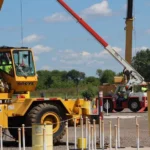


Kampala’s Top Schools for Excavator and Crane Training. Uganda’s skyline is changing. Towers are rising, roads are being widened, bridges are being constructed, and large-scale infrastructure projects are spreading from Kampala into every corner of the country. Behind all of this progress are two categories of heavy machinery that dominate modern construction — excavators and cranes. These are the machines that dig foundations, lift steel beams, lay pipelines, and shape the physical environment we all live and work in. And the professionals who operate them are among the most sought-after workers in Uganda’s labour market today.
If you are serious about building a career in excavator or crane operation, your first decision is one of the most important — choosing the right school to train at. This guide looks at what Kampala’s top training institutions offer, what you should expect from quality training, and why KCI Institute’s Heavy Trucks Training School stands above the rest.
Why Excavator and Crane Skills Are in High Demand in Kampala
Kampala and its surrounding districts are in a state of constant construction. Government road projects, private housing estates, commercial complexes, water and sewage infrastructure, and industrial facilities are all active simultaneously, creating an unrelenting demand for skilled equipment operators. Excavators and cranes sit at the centre of this demand — they are indispensable on virtually every large construction site, and there are simply not enough certified operators to fill all available positions.
Beyond Kampala, Uganda’s oil and gas developments in the Albertine region, large hydropower projects, and growing mining activity in the west all require excavator and crane operators in significant numbers. For a certified professional, this translates directly into job security, competitive salaries, and the opportunity to work across a variety of industries and project types throughout the country and across East Africa.
The Salary of Heavy Equipment Operators in Uganda resource gives a detailed picture of what trained operators in these specialisations earn — and the figures make a compelling case for investing in quality certification as early as possible.
What to Expect from a Top Excavator Training School in Kampala
Excavator training is far more than learning how to swing a bucket and dig a hole. A top-quality excavator training programme teaches you the full scope of what it means to be a professional operator — from pre-operation inspections and machine setup to precision digging, trenching, material handling, and site safety communication.
The best schools in Kampala will place you in the seat of a real excavator from the very first days of training. You will learn how to read site conditions, how to position the machine correctly for different tasks, how to work safely alongside other site workers and vehicles, and how to handle common operational challenges without causing damage to the machine, the site, or the people around you.
At KCI Institute’s Heavy Trucks Training School, the Excavator Operation Training course runs for three intensive weeks and covers all of these elements in a structured, progressive format. Students move from basic machine familiarisation to advanced operational tasks, guided by instructors with genuine field experience. The result is a graduate who is not just certified on paper but genuinely capable of performing at a professional level from day one of employment.
Understanding the Different Types of Crane Training Available
Crane training is a more specialised field than many people realise. Cranes come in several types, each with its own operational requirements, load management techniques, and safety considerations. A well-rounded training school in Kampala should offer programmes across multiple crane categories, allowing students to choose the certification most relevant to their career goals.
Mobile Crane Training covers the operation of cranes mounted on wheeled or tracked vehicles that can be driven between sites. These are the cranes you most commonly see on road construction and building projects, lifting heavy materials and positioning structural components. KCI Institute offers mobile crane training for both the 5–15 tonne and the 25–50 tonne categories, recognising that operators working on smaller projects and those on large industrial sites have different technical needs.
Tower Crane Training is the most advanced crane certification available at the school, running for six weeks. Tower cranes are the tall, fixed cranes seen on high-rise building construction sites in Kampala’s central business district and growing suburbs. Operating a tower crane requires a high level of precision, strong spatial awareness, and the ability to communicate clearly with ground crew during complex lifts. This certification opens doors to some of the highest-paying operator roles in Uganda’s construction sector.
For a full overview of all crane and lifting equipment programmes on offer, the complete course listing at KCI Institute’s Heavy Trucks Training School is the best starting point.
Why KCI Institute’s Heavy Trucks Training School Leads in Kampala
Among all the institutions offering heavy machinery training in Kampala, KCI Institute’s Heavy Trucks Training School has built a reputation that sets it apart. As a specialised department of KCI Institute — an established Uganda vocational institution with over fifteen years of experience — the school brings institutional credibility, professional infrastructure, and a student-centred training philosophy to everything it does.
The school’s instructors are not classroom theorists. They are experienced machinery professionals who bring years of field knowledge into the training environment, sharing the kind of practical insight that only comes from real-world operation. Students benefit from this direct transfer of professional experience, gaining not just technical skills but the operational judgment and site awareness that employers value most.
The training environment itself is designed to reflect real job site conditions as closely as possible. Students work with actual, modern equipment under realistic operating scenarios, so the transition from training ground to employment site is smooth and confident. You can see this environment in action through the photo galleries on the school’s website, which showcase genuine students in training across multiple machine types.
Complementary Courses to Strengthen Your Career Profile
While excavator and crane certifications are powerful on their own, the most competitive operators in Uganda’s job market are those who hold multiple certifications across related machine types. KCI Institute’s Heavy Trucks Training School makes this easy by offering a wide range of complementary programmes that pair naturally with excavator and crane training.
The Bulldozer Training course is a natural companion to excavator certification, covering the land-clearing and site-preparation work that precedes most excavation tasks. The Grader Operator Training programme builds road-finishing and precision levelling skills that complement earthmoving expertise perfectly. The Wheel Loader Operator Training and Forklift Operator Training add materials-handling capabilities that are valuable on virtually every major project.
For operators interested in the mechanical side of the industry, the school also offers diesel engine mechanics, petrol engine mechanics, hydraulic systems, and welding courses — skills that can open doors into machinery maintenance and workshop supervision roles alongside operational careers.
Fees, Duration, and What Training Costs
One of the most important factors in choosing a training school is understanding exactly what you are paying for and how long the commitment will last. KCI Institute’s Heavy Trucks Training School is completely transparent about both. The fee structure page lists every course with its full cost for both Ugandan nationals and international students, so there are no surprises after you enrol.
Excavator training runs for three weeks, mobile crane training for five weeks, and tower crane training for six weeks — all of which are genuinely short compared to the career benefits they deliver. For more context on training durations across different machine types, the how long it takes to learn heavy equipment operation guide provides an honest and detailed breakdown that helps prospective students plan their training journey realistically.
Building a Long-Term Career After Certification
Graduating from a top training school in Kampala is not the end of your journey — it is the beginning. Certified excavator and crane operators in Uganda have multiple career pathways open to them, from site employment with major construction firms to freelance contracting, equipment hire companies, supervisory roles, and even international project work in neighbouring countries.
KCI Institute supports its graduates beyond the classroom. The institution’s career opportunities page connects trained professionals with relevant employers and industry contacts, providing a valuable bridge between training and employment. The broader KCI Institute academic programmes also offer pathways for graduates who wish to advance their qualifications further in complementary fields.
How to Apply and Secure Your Place
Applying to train at KCI Institute’s Heavy Trucks Training School is a simple, fast process. Visit the Apply Now page to select your preferred course and submit your enrolment details directly. You can also apply through the KCI Institute application portal, where both physical campus and online enrolment options are available to suit your circumstances.
Before you apply, spend a few minutes on the About Us page to understand the school’s values and training approach, and visit the About the Founder page for insight into the leadership and vision behind the institution.
Kampala’s construction industry is moving fast. The excavators are digging, the cranes are lifting, and the operators behind them are building careers that will last a lifetime. The right training school is right here — and your place is waiting.