
Backhoe Loader Training in Uganda
Backhoe Loader Training in Uganda. Uganda’s construction sector has rarely been busier. From road rehabilitation in Kampala to airport, stadium, and pipeline works upcountry, contractors across the country are racing to find skilled machine operators who can be trusted on site from day one. Among the machines in highest demand is the backhoe loader, often called a TLB (Tractor-Loader-Backhoe), and the operators who can run one safely and efficiently are some of the most employable tradespeople in the country today. This guide walks you through everything you need to know about backhoe loader training in Uganda: what the machine does, who should train, what a course covers, how long it takes, what it costs, and how to turn a certificate into a paying job.
Why Backhoe Loader Training Matters in Uganda Right Now
Uganda’s infrastructure pipeline is unusually deep for a single calendar year. The Kampala City Roads Rehabilitation Project is upgrading dozens of kilometres of urban roads together with drainage and junction works, the Hoima City Stadium and Kabalega International Airport are both racing fixed deadlines, and pipeline-related works tied to the East African Crude Oil Pipeline continue to demand operators who meet industrial safety standards. Every one of these projects needs backhoe loaders for trenching, utility-line work, foundation excavation, and material handling. That translates into steady demand for operators who hold a recognised certificate, which is exactly what structured heavy machinery training in Uganda is designed to deliver. Enrolling now, while these projects are still mobilising labour, puts you ahead of operators who wait until vacancies are already advertised.
What Is a Backhoe Loader (TLB) and Why Operators Are in Demand
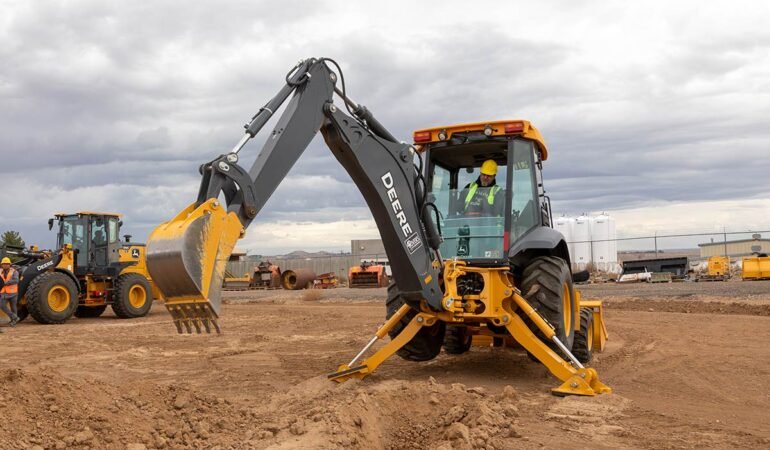
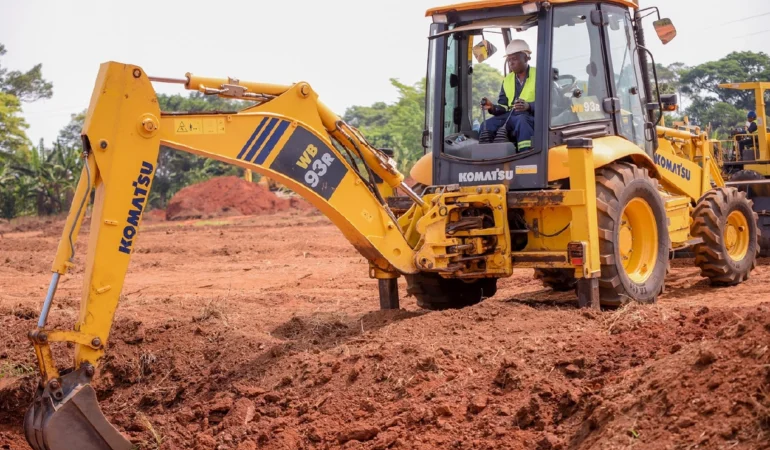
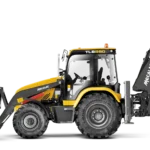
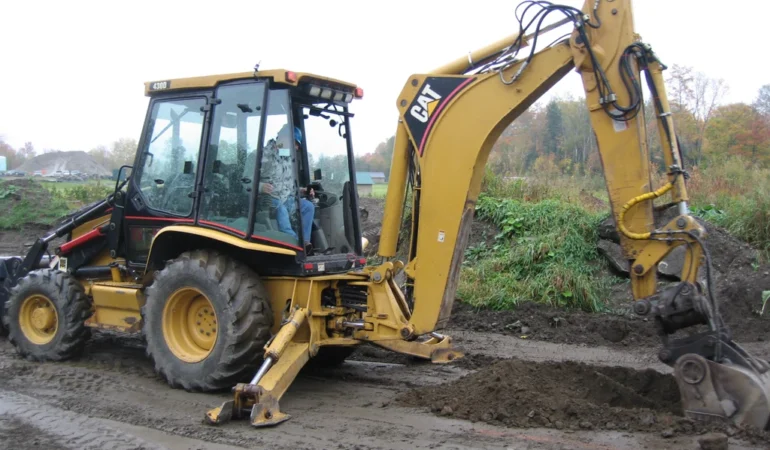
A backhoe loader combines two machines in one chassis: a front-mounted loader bucket for scooping, lifting, and moving material, and a rear-mounted excavator arm for digging trenches, footings, and utility lines. Because it can switch between loading and digging without leaving the site, it is one of the most versatile machines on any construction, water, or road project, which is why site managers rate a skilled TLB operator as one of their most valuable hires. Unlike a dedicated excavator or a wheel loader, the backhoe loader’s dual function means a single trained operator can cover two roles on a small to mid-sized site, which is exactly why contractors prefer candidates who already hold a certificate rather than training someone from scratch.
Who Should Enroll in Backhoe Loader Training
Backhoe loader training in Uganda suits a wide range of learners. School leavers who want a practical, well-paying trade without years of classroom study often find it a faster route into steady income than academic routes. Casual labourers already working on construction sites frequently enrol so that a certificate can convert their informal experience into a documented, employable skill. Drivers who already hold a licence for commercial vehicles often add a backhoe qualification to widen the jobs they can take. Returning diaspora and job seekers eyeing opportunities in the Gulf, South Sudan, or the Democratic Republic of Congo also train locally first, since an internationally recognised certificate travels with them. Whatever your starting point, the entry bar is deliberately low: basic literacy, a minimum age (usually 18), and the physical fitness to operate machinery safely.
What You Will Learn in a Backhoe Loader Operator Course
A properly run course does not simply hand you the controls on day one. Training typically opens with machine familiarisation and safety induction, covering pre-start inspections, personal protective equipment, and site hazard awareness. From there, learners move into controls and manoeuvring: mastering the loader bucket, the backhoe arm, stabilisers, and travel controls in a controlled yard before ever approaching a live excavation. Practical modules then cover trenching to specified depths and gradients, backfilling, loading trucks accurately, working near underground services, and basic routine maintenance and fault-spotting. Many programmes, including those offered alongside grader and bulldozer training, close with supervised fieldwork on a real or simulated worksite and a final practical assessment before certification is issued.
Backhoe Loader Training Duration and Course Structure
Most backhoe loader (TLB) programmes in Uganda run for roughly three weeks of full-time, hands-on instruction, which is enough time to move a beginner from basic controls to safe independent operation under supervision. The structure generally splits time between theory (safety regulations, machine systems, site communication) and practical yard and field sessions, weighted heavily toward hands-on hours because operating competence is what employers test for at interview. Full details of the current timetable and intake dates are published on the school’s course listings page, and prospective students are encouraged to confirm the next intake before travelling to campus.
Certification: UVTAB Accreditation and Why It Matters
A certificate is only as valuable as the body that stands behind it. In Uganda, the Uganda Vocational and Technical Assessment Board (UVTAB) is the national authority responsible for assessing and certifying practical, hands-on competencies, including skills learned through apprenticeship-style and on-the-job training rather than only classroom study. That matters enormously for machine operators, because it means your certificate reflects what you can actually do on a machine, not just what you can write in an exam. Training providers affiliated with Kenlink Institute, which runs a dedicated heavy machinery training programme alongside its other UVTAB-aligned courses, give learners a credential that employers and labour recruiters recognise well beyond a single company or district, which is a decisive advantage when applying for jobs upcountry or abroad.
Backhoe Loader Training Cost in Uganda
Course fees for backhoe loader (TLB) training in Uganda typically fall in a similar bracket to other single-machine operator courses, with a modest difference between rates for Ugandan nationals and international students, and payment plans commonly available for learners who cannot pay in full upfront. Costs generally cover machine time, fuel, instructor supervision, safety gear, and the final assessment. Because pricing is reviewed periodically and can vary by intake, always check the current, itemised fee structure before budgeting, and ask directly whether accommodation, meals, or UVTAB assessment fees are included or billed separately.
Why Choose Heavy Trucks Training School for Backhoe Loader Training
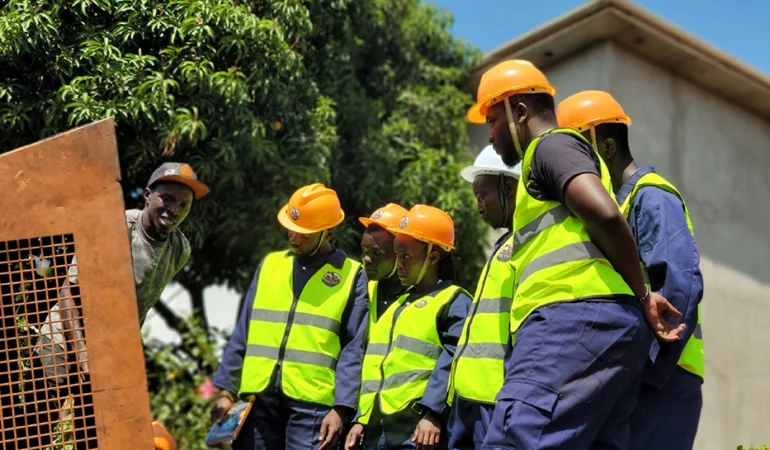
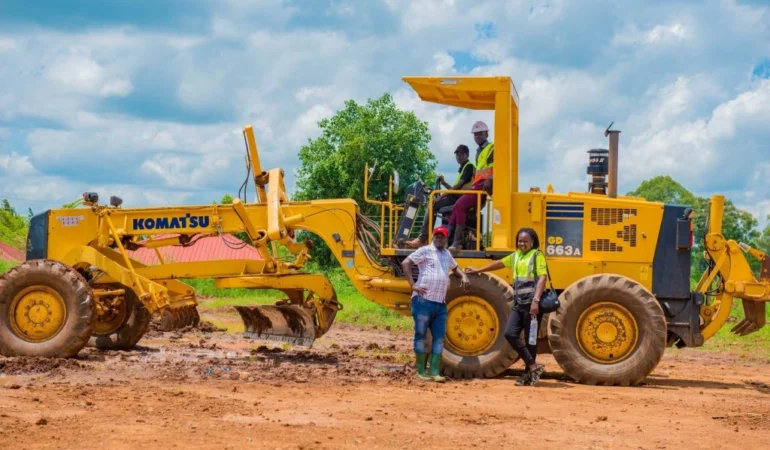
Choosing where to train matters as much as choosing to train at all. Heavy Trucks Training School operates its Kampala campus in partnership with Kenlink Institute, giving students access to an established, UVTAB-aligned assessment framework rather than an informal, uncertified course. The school’s about page and the story behind its founder reflect years of hands-on experience training operators for Uganda’s toughest sites, and the photo gallery shows real machines and real students, not stock images. Small class sizes mean more time behind the controls per student, instructors bring direct site experience rather than purely theoretical backgrounds, and the campus maintains a working fleet so learners train on the same class of machine they will meet on a real job, including graders, excavators, wheel loaders, and forklifts alongside the backhoe loader itself.
Related Heavy Machinery Courses You Can Combine With Backhoe Training
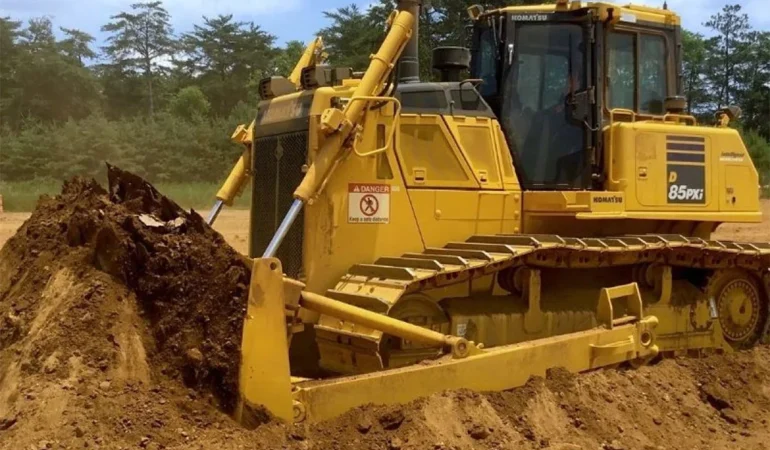
Few operators stop at a single machine once they see how quickly a second qualification widens their job options. Many backhoe loader graduates go on to add forklift operator training for warehouse and yard work, or wheel loader training for quarry and materials-handling roles. Others pair machine skills with a commercial driving qualification, since many contractors prefer operators who can also move equipment between sites. If your interests run toward road works specifically, grader training and bulldozer training complement backhoe skills well, and even the school’s tourism courses are worth a look for students who want a second, non-technical income stream during Uganda’s slower construction seasons. On the Kenlink Institute side, learners who want to broaden beyond machinery entirely can browse language courses or explore business consultation services for those planning to run their own equipment-hire business one day.
Career Opportunities After Backhoe Loader Training in Uganda
A certified backhoe loader operator has more doors open than most newly qualified tradespeople in Uganda. Road contractors on projects like the Kampala City Roads Rehabilitation Project need trench and excavation operators continuously. Water and sanitation contractors laying pipelines rely on TLB operators for utility trenching. Building contractors use backhoe loaders for foundation work on everything from residential plots to commercial developments, and quarry and materials firms hire operators who can load trucks quickly and accurately. Beyond direct employment, some graduates eventually rent or buy their own machine and work as independent contractors, hiring themselves out per job. Kenlink Institute’s own careers page is a useful place to see the kind of roles that regularly open up for graduates with a recognised operator certificate.
Admission Requirements and How to Apply
Applying is straightforward by design, because the schools behind this training want to remove barriers for serious candidates rather than add them. You will typically need a copy of your national ID or passport, a passport photo, and proof of your highest level of education, even if that is only primary or secondary school. There is no requirement for prior machine experience. Once you have your documents ready, you can start the process directly on the apply now page, or, if you are considering the wider range of UVTAB programmes under the Kenlink Institute umbrella, review the admission requirements and submit an application through the online application portal. Enrolled students can later track their progress through the student portal.
Tips to Succeed as a Backhoe Loader Operator
Passing a course is only the beginning of a long, well-paid career if you keep a few habits from day one. Treat every pre-start inspection as non-negotiable, since employers notice operators who check their machine before every shift far more than they notice operators who simply climb in and start working. Ask instructors to let you repeat manoeuvres you find awkward rather than moving on before you are confident, because confidence under real site pressure is what separates a hireable operator from one who only performed well in a quiet training yard. Keep your certificate, ID, and any site inductions organised in one folder so you can apply for new roles quickly, and stay in touch with your training school’s alumni and placement network, since many job leads circulate informally among graduates before they are ever advertised publicly.
Frequently Asked Questions About Backhoe Loader Training in Uganda
How long does backhoe loader training take? Most full-time TLB courses in Uganda run for about three weeks, combining safety theory with hands-on yard and field practice.
Do I need a driving licence to train? No, though pairing your operator certificate with driving training later on will make you more employable to contractors who also need equipment moved between sites.
Is the certificate recognised outside Uganda? A UVTAB-aligned certificate carries more weight with regional and international recruiters than an uncertified in-house certificate, since it is tied to a national assessment standard rather than a single school’s own paperwork.
Can I train on a forklift or grader at the same time? Some schools allow you to combine short courses, so ask about bundling backhoe training with forklift training or grader training during the same enrolment period to save on repeated induction costs.
What does training cost? Fees vary by intake and nationality; always confirm the current rate on the school’s fee structure page rather than relying on figures quoted informally.
Conclusion: Start Your Backhoe Loader Training Journey Today
Backhoe loader training in Uganda sits at the intersection of steady national demand and a genuinely achievable qualification: a few weeks of focused, hands-on instruction can put you on site earning within a month of enrolling. With Kampala’s road works, the Hoima stadium project, Kabalega International Airport, and oil-sector construction all competing for trained operators, the window to train and get ahead of the demand curve is open now, not later. Whether you choose a standalone TLB course or combine it with truck and driving training for a broader skill set, the practical steps are the same: confirm the next intake, gather your documents, and apply. Explore the current course line-up on the Heavy Trucks Training School homepage, or, if you want to see the full range of UVTAB-certified programmes behind it, visit Kenlink Institute’s about page to learn more about the institute training the operators Uganda’s construction sector is hiring right now.