
best-heavy-duty-and-machinery-schools-in-uganda

Best Heavy Duty and Machinery Schools in Uganda

Best Heavy Duty and Machinery Schools in Uganda. Type “best heavy machinery schools in Uganda” into Google and you will get pages of adverts, most of them making the same promises: fast certification, guaranteed jobs, low fees. Cutting through that noise means knowing exactly what separates a genuinely well-run training school from one that simply looks the part in a Facebook advert. With construction, mining, and agricultural mechanization all competing for trained operators across the country right now, the school you choose will shape how quickly you get hired and how far your certificate takes you. This guide sets out the real criteria that matter, so you can judge any school, including our own, against a fair and specific standard rather than marketing copy.

Why Choosing the Right Heavy Machinery School Matters in Uganda

A certificate from a weak training school can be worse than no certificate at all, because it gives an employer false confidence that you can operate safely and then costs you the job the first time you make a mistake on site. Uganda’s current infrastructure pipeline, from the Kampala City Roads Rehabilitation Project to the Hoima City Stadium, Kabalega International Airport, and ongoing works tied to the East African Crude Oil Pipeline, means contractors are hiring aggressively, but they are also more careful than ever about who they let onto a live site. Choosing a school that genuinely prepares you, rather than one that simply processes you through in the shortest possible time, is the difference between a certificate that gets you hired and one that gets you a polite rejection. Structured heavy machinery training in Uganda exists precisely to close that gap.

What Makes a Heavy Machinery Training School “the Best” in Uganda

There is no single official ranking of heavy machinery schools in Uganda, so “best” has to be judged against concrete, checkable criteria rather than a badge or a claim. The strongest schools share a handful of traits: certification tied to a recognised national assessment body, a genuinely varied course catalogue rather than one or two machines, experienced instructors with real site backgrounds, well-maintained equipment, transparent and itemised fees, and a track record of graduates who are actually working. None of these require you to take the school’s word for it; every one of them can be checked before you pay a shilling, starting with a school’s own about page and photo gallery.

Accreditation: Why UVTAB Certification Should Top Your Checklist

Of everything on this list, accreditation matters most, because it determines whether your certificate means anything once you leave the school that issued it. The Uganda Vocational and Technical Assessment Board (UVTAB) is the national body responsible for assessing and certifying practical, hands-on competencies, including skills learned through apprenticeship-style and on-the-job training rather than classroom study alone. A school that can clearly explain its relationship to UVTAB, rather than deflecting the question, is telling you something important about how seriously it takes certification. Schools affiliated with Kenlink Institute, which runs a dedicated heavy machinery training programme alongside its wider UVTAB-aligned course catalogue, give graduates a credential recognised well beyond a single company or district, which is the single biggest factor separating a top school from an average one.

Course Variety: What a Well-Rounded School Should Offer

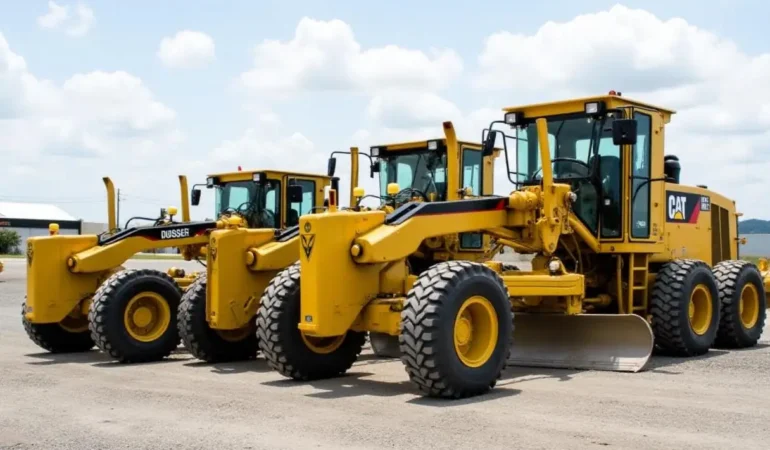
The best heavy machinery schools in Uganda rarely teach just one machine, because contractors increasingly favour operators who can move between related equipment as project needs shift. A strong catalogue covers at least the core earthmoving machines, excavatorsgraders, and bulldozers, alongside materials-handling equipment such as wheel loaders and forklifts, and commercial driving qualifications for operators who also need to move equipment between sites. Browsing a school’s full heavy machinery course category before enrolling tells you quickly whether you are looking at a genuine training institution or a single-machine operation dressed up as one.

Instructor Experience, Class Size and Equipment Quality

Two schools can teach the exact same syllabus and produce very different operators, and the difference almost always comes down to instructors, class size, and machine condition. Instructors with real site supervision experience teach judgment that a purely classroom-trained instructor cannot, because they have actually managed the consequences of operator error on a live project. Small class sizes matter just as much, since a school running many students through one machine simply cannot give each learner enough real control time, no matter how good the syllabus looks on paper. Ask directly how many hours of hands-on machine time you personally will get, not the class average, and ask to see the actual equipment before you commit, since a school’s founder’s background and track record are a reasonable proxy for how seriously it takes these standards.

Course Duration and Fee Transparency Across Uganda’s Top Programs

Course length and pricing vary meaningfully across machines and schools, and the best institutions publish this clearly rather than making you ask around. Typical full-time programmes run from two weeks for a forklift course up to five or six weeks for specialised equipment like mobile and tower cranes, with most core machines, including graders, excavators, bulldozers, and tractors, sitting in a three-to-four-week range. A transparent school publishes an itemised, current fee structure rather than quoting a vague figure over the phone, and clearly states what the fee includes: machine time, fuel, safety gear, and the final assessment. Comparing published fee structures side by side is one of the fastest ways to separate serious schools from ones hoping you won’t ask too many questions.

Job Placement Support and Industry Connections

A certificate is only valuable if it actually leads to work, which is why job placement support and employer relationships matter as much as classroom quality. The strongest schools maintain active relationships with contractors across construction, mining, and agriculture, and can point to graduates currently working on real projects rather than vague success stories. Kenlink Institute’s own careers page is a useful example of what this looks like in practice: a visible, ongoing channel between training and employment rather than a certificate handed over with no further support. Ask any school you are considering how many of last year’s graduates they can currently place in a job, and be wary of any school that cannot answer with specifics. Some institutions also extend support beyond direct placement, offering business consultation services for graduates who eventually want to run their own equipment-hire business rather than stay on someone else’s payroll indefinitely, and language courses for operators aiming at international contractor sites; the presence of these extras is itself a sign of a school thinking beyond the certificate handover.

Why Heavy Trucks Training School Ranks Among Uganda’s Best

Heavy Trucks Training School operates its Kampala campus in direct partnership with Kenlink Institute, which means every one of the criteria above is built into how the school runs rather than bolted on for marketing purposes. Certification is tied to Kenlink’s UVTAB-aligned assessment framework, the course catalogue spans earthmoving, materials-handling, and driving qualifications, and instructors bring direct site experience rather than purely academic backgrounds. The school’s about page and photo gallery show real students on real, working machines, and its published fee structure is itemised and current rather than negotiated informally per student. Applications go through a straightforward apply now process rather than an opaque, drawn-out admissions procedure.

Comparing Course Options: Which Machine Should You Train On First

Once you have picked a school, choosing your first machine matters almost as much. Excavators remain the single most requested skill on Ugandan job adverts, which makes an excavator course a strong default starting point for most trainees. If road work interests you specifically, grader training is worth prioritising given the scale of current road rehabilitation projects. Those drawn to agriculture and Uganda’s mechanisation push should look at farm tractor training through the school’s course listings, while learners wanting the fastest, most affordable entry point often start with forklift training before adding a second machine later.

Location, Schedule Flexibility and Accessibility

Practical considerations matter more than most prospective students expect. A Kampala-based campus is convenient for learners from central Uganda but may require budgeting for accommodation if you are travelling from upcountry, so ask early about lodging options near the training site. Flexible intake dates matter too, since a school running frequent, predictable intakes lets you start training sooner than one that only opens enrolment a few times a year. If you already hold a commercial driving qualification, ask whether that shortens any part of the induction process, since some schools recognise prior training rather than starting every student from zero.

Red Flags to Watch For When Choosing a School

A few warning signs should make you pause before enrolling anywhere. Be cautious of any school that cannot clearly explain its relationship to UVTAB or another recognised assessment body, since that usually means the certificate carries no weight beyond the school itself. Be wary of prices that seem unusually low relative to the market, since that often means fewer machine hours per student or older, poorly maintained equipment. Avoid schools that refuse a site visit before you pay, and treat vague promises of “guaranteed jobs” with real scepticism, since no legitimate school can promise employment outcomes it does not control. If a school’s marketing focuses entirely on price and speed rather than on what you will actually learn, that alone is worth noticing. It is also worth remembering that a genuinely strong school will not mind you asking these questions directly, in person or by phone, before you pay anything; hesitation or vague deflection in response to specific questions is itself useful information about how the rest of your training experience is likely to go.

How to Apply to a Top Heavy Machinery School in Uganda

Once you have chosen a school against these criteria, applying should be simple. Most schools require only a copy of your national ID or passport, a passport photo, and proof of your highest level of education, with no prior machine experience necessary. You can apply directly through Heavy Trucks Training School’s apply now page, or, if you are weighing the wider set of UVTAB programmes under the Kenlink Institute umbrella, review the admission requirements and submit an application through the online application portal. Enrolled students can track their progress afterward through the student portal.

Frequently Asked Questions About Choosing a Heavy Machinery School in Uganda

Is there an official ranking of heavy machinery schools in Uganda? No government body publishes a formal ranking; the closest proxy is checking each school’s accreditation status with UVTAB directly.

How much should heavy machinery training cost? Fees vary by machine and duration, generally from a few hundred thousand shillings for a short forklift course up to several million for specialised crane training, so always compare a school’s itemised fee structure rather than a single quoted figure.

Does a bigger school automatically mean better training? Not necessarily; a smaller school with low student-to-machine ratios can deliver more actual hands-on hours than a larger one running big cohorts through limited equipment.

Can I train on more than one machine? Yes, and many students do, often combining a core earthmoving machine with wheel loader training or a driving qualification to widen the jobs they qualify for.

What single question should I ask before enrolling anywhere? Ask exactly which national body assesses and certifies the school’s graduates; the answer tells you more than any advert will.

Conclusion: Make an Informed Choice for Your Machinery Training

The best heavy machinery schools in Uganda are not the ones that advertise loudest, they are the ones that can answer specific questions clearly: who certifies their graduates, how many hours students spend on real machines, what their fees actually include, and where their alumni are working today. Judged against those standards, Heavy Trucks Training School’s partnership with Kenlink Institute gives students a UVTAB-aligned certificate, a genuinely varied course catalogue, and transparent pricing rather than marketing promises. Explore the current course line-up on the course listings page, browse the Heavy Trucks Training School homepage for the full programme, or visit Kenlink Institute’s about page to see the UVTAB-aligned institute behind the certification before you choose where to train.
Read More
training-tractors-in-uganda

Training Tractors in Uganda

Training Tractors in Uganda. Uganda’s government has spent the last few years pushing agriculture from subsistence farming toward mechanised, commercial production, and that shift depends entirely on having enough trained people who can actually operate a tractor safely and productively. A single tractor can plough as much as ten acres in a day, work that would otherwise take a family weeks of manual labour, but only in the hands of someone who knows how to run it properly. This guide covers everything you need to know about training tractors in Uganda: why demand for certified operators is rising, what a proper course teaches, how long it takes, what it costs, and how to turn a certificate into steady work.

Why Tractor Training Matters in Uganda’s Agricultural Drive

The Ministry of Agriculture, Animal Industry and Fisheries runs a dedicated department for agricultural mechanisation that procures tractors and implements for farming communities across the country, managed through farmer organisations, private nucleus providers, and government-operated hire schemes. Recent distributions, including eighteen tractors sent to districts in the Bunyoro sub-region, are explicitly aimed at helping farmers cultivate more land efficiently and reduce reliance on manual labour. Crucially, the government’s own mechanisation guidelines call for capacity building that covers “farmers, extension staff, technicians, tractor operators, and value chain actors,” which means trained operators are not a nice-to-have on the margins of this programme, they are a stated requirement for it to work. Structured heavy machinery training in Uganda is exactly how that requirement gets met at the individual level.

What Does a Farm Tractor Operator Training Course Cover

A proper tractor training course does not start with you behind the wheel in an open field. Training typically opens with safety induction and machine familiarisation: pre-start inspections, understanding the power take-off, hydraulics, and implement attachments, and basic hazard awareness around other workers and livestock. From there, learners move into controls and manoeuvring, covering steering, clutch and gear control, and safe operation on slopes and uneven ground. Practical modules then build into ploughing, harrowing, ridging, and attaching or detaching implements correctly, along with basic routine maintenance such as checking oil, coolant, and tyre condition. Programmes run alongside other heavy machinery courses, such as bulldozer and wheel loader training, close with supervised fieldwork and a final practical assessment rather than a written test alone, since employers and mechanisation schemes hire on demonstrated skill.

Government Tractor Schemes and Why Trained Operators Are Needed

Uganda’s tractor hire schemes are deliberately structured to reach ordinary farmers at a subsidised cost, with some programmes charging as little as UGX 50,000 per acre for ploughing services delivered through regional agricultural hubs. That model only works if there are enough competent operators to run the equipment across many districts at once without damaging machines that were procured at significant public expense. District Local Governments supervise these schemes while beneficiary groups manage day-to-day deployment, scheduling, and maintenance, which creates real, recurring demand for operators who already hold a recognised certificate rather than farmers learning by trial and error on a government-owned machine. This is precisely the gap that a certified course from a school like Heavy Trucks Training School is built to fill.

Farm Tractor Training Duration and Course Structure

Farm tractor operator training in Uganda typically runs for about three weeks of full-time, hands-on instruction, similar in length to courses for the excavator and wheel loader. Early sessions concentrate on safety theory and slow, supervised control practice, the middle stretch builds up implement handling and field manoeuvring, and the final days simulate real farm conditions before a supervised practical assessment. Full, current intake dates and the complete course line-up are published on the course listings page, and prospective students are encouraged to confirm the next available intake before travelling to campus.

Certification: UVTAB Accreditation for Tractor Operators

A certificate only carries weight if a recognised body stands behind it. The Uganda Vocational and Technical Assessment Board (UVTAB) is the national authority responsible for assessing and certifying hands-on competencies, including skills built through practical, on-the-job style training rather than classroom study alone, which matters enormously for a trade like tractor operation that is judged almost entirely on demonstrated skill. Training providers affiliated with Kenlink Institute, which runs a dedicated heavy machinery training programme alongside its broader UVTAB-aligned course catalogue, give tractor operators a credential that district agricultural offices, private farms, and mechanisation scheme managers all recognise, rather than a certificate specific to one small school.

Farm Tractor Training Cost in Uganda

Course fees for farm tractor training in Uganda typically fall in the same general bracket as other three-week operator courses, with a modest difference between rates for Ugandan nationals and international students, and instalment plans commonly available for learners who cannot pay the full amount upfront. Fees generally cover machine and fuel time, instructor supervision, safety gear, and the final assessment. Because pricing is reviewed periodically and can vary by intake, always check the current, itemised fee structure before budgeting, and ask directly whether UVTAB assessment fees, accommodation, or meals are included or billed separately.

Who Should Enroll in Tractor Training

Tractor training in Uganda suits a genuinely wide range of learners. Young people from farming households often enrol to formalise skills they have picked up informally, turning an unpaid family task into an employable trade. Farmers themselves increasingly train so they can operate tractors accessed through government hire schemes without depending on someone else’s availability. Rural entrepreneurs use a tractor certificate as the first step toward buying or leasing a machine and offering ploughing and haulage services to neighbouring farms. Graduates from other machine courses, including those who already hold a driving qualification, frequently add tractor operation to widen the seasonal work they can take between construction contracts. Whatever your starting point, the entry bar stays deliberately low: basic literacy, a minimum age, and the physical fitness to operate machinery safely. None of these groups need to choose between farming and machine operation as separate careers; in practice, the two increasingly reinforce each other, since a certified operator with land access can both farm their own plot and hire out their skills to neighbours during the busiest weeks of the season.

Why Choose Heavy Trucks Training School for Tractor Training

Heavy Trucks Training School operates its Kampala campus in partnership with Kenlink Institute, giving tractor trainees access to an established, UVTAB-aligned assessment framework rather than an informal, uncertified course. The school’s about page and the story behind its founder reflect years of hands-on experience training operators for Uganda’s toughest sites and fields, and the photo gallery shows real machines and real students rather than stock imagery. Small class sizes mean more time behind the controls per student, instructors bring direct field and site experience rather than purely theoretical backgrounds, and the campus maintains a working fleet so learners train on the same class of machine they will meet on a real farm or hire scheme, alongside related equipment such as graders, excavators, and forklifts.

Tractor Training vs Other Heavy Machinery Courses

Tractor training sits comfortably alongside the school’s other three-week programmes in both duration and structure, but it opens a different set of doors than construction-focused machines. Where grader training and bulldozer training lead mainly into road and site work, tractor training opens routes into agriculture, agribusiness, and rural equipment-hire services, sectors that are growing quickly under Uganda’s mechanisation push. Many students still choose to combine the two: a tractor certificate alongside forklift training or wheel loader training covers both agricultural and light industrial work, which is useful given how seasonal farm labour can be.

Career Opportunities for Certified Tractor Operators in Uganda

A certified tractor operator has more realistic routes into paid work than the informal “ask around the village” approach many rural operators still rely on. Government-backed mechanisation and tractor hire schemes need trained operators to serve multiple farms per season under district supervision. Commercial farms and agribusiness estates growing crops such as sugarcane, maize, and rice hire operators directly for ploughing, harrowing, and haulage. Equipment dealers and hire companies also look for certified operators to demonstrate machines to buyers and manage rental fleets. Beyond direct employment, many graduates eventually save toward their own tractor and implement set, working as independent contractors who plough for hire during planting seasons. Because ploughing, harrowing, and haulage demand peak sharply at the start of each planting season, certified operators who can move between districts often earn more in a few concentrated weeks than they would from a slower, year-round job, which is part of why so many graduates treat tractor work as a seasonal specialism rather than a single fixed post. Kenlink Institute’s careers page is a useful place to see the kind of roles that regularly open up for graduates with a recognised operator certificate.

Combining Tractor Training With Other Skills

The most employable graduates rarely stop at one certificate. Some tractor trainees add forklift training to work in agro-processing warehouses during the off-season, while others pursue driving training so they can also transport produce and equipment between farms and markets. Kenlink Institute’s business consultation services are worth exploring for graduates who eventually want to run their own tractor-hire business rather than stay on someone else’s payroll indefinitely, and its language courses can help operators who plan to work on larger commercial estates with international management. Reading the school’s post on the best heavy machinery schools in Uganda is also a useful way to see how tractor training fits into the wider machine-operator landscape.

Admission Requirements and How to Apply

Applying for tractor training is deliberately straightforward. You will typically need a copy of your national ID or passport, a passport photo, and proof of your highest level of education, even if that is only primary or secondary school, since no prior machine experience is required. Once your documents are ready, you can start the process directly on the apply now page, or, if you are considering the wider range of UVTAB programmes under the Kenlink Institute umbrella, review the admission requirements and submit an application through the online application portal. Enrolled students can later track their progress through the student portal.

Frequently Asked Questions About Tractor Training in Uganda

How long does tractor training take? Most full-time farm tractor courses in Uganda run for about three weeks, combining safety theory with hands-on field practice.

Do I need farming experience to enrol? No. Reputable schools accept complete beginners as well as farmers formalising skills they already use informally.

Is a UVTAB certificate recognised by government tractor hire schemes? A certificate tied to a national assessment standard carries far more weight with district agricultural offices and scheme managers than an uncertified in-house paper, since it reflects an independently assessed skill.

Can I combine tractor training with another machine course? Yes, many students pair it with wheel loader training or a driving qualification to stay employable across both agricultural and off-season industrial work.

What does tractor training cost? Fees vary by intake and nationality, so always confirm the current rate on the school’s fee structure page rather than relying on figures quoted informally.

Conclusion: Start Your Tractor Training Journey Today

Training tractors in Uganda sits at the intersection of a national mechanisation push and a genuinely achievable qualification: three weeks of focused, hands-on instruction can put you to work on a government hire scheme, a commercial farm, or your own equipment before the next planting season begins. With mechanisation programmes actively distributing tractors to districts across the country and explicitly calling for trained operators to make them work, the window to train and get ahead of that demand is open now. Explore the current course line-up on the Heavy Trucks Training School homepage, or, if you want to see the full range of UVTAB-certified programmes behind it, visit Kenlink Institute’s about page to learn more about the institute training the operators Uganda’s agricultural and construction sectors are hiring right now.

Read More
training-grader-in-uganda

Training Grader in Uganda

Training Grader in Uganda. If you have been asking “how much is training grader in Uganda,” the short answer is that a full-time grader operator course typically costs somewhere between UGX 1,500,000 and UGX 2,000,000, depending on whether you are a Ugandan national or an international student. But the sticker price only tells part of the story. What that fee actually buys you, whether it includes certification, and how it compares to other heavy machinery courses matter just as much as the number itself. This guide, from the team behind Heavy Trucks Training School, breaks down exactly what grader training costs in Uganda, what drives the price up or down, and how to make sure your money goes toward real machine hours and a certificate that actually opens doors.

Grader Training Cost in Uganda at a Glance

Grader operator training in Uganda runs for a standard four-week programme, with course fees of roughly UGX 1,500,000 for Ugandan nationals and UGX 2,000,000 for international students at established training schools. That fee generally covers machine time, fuel, instructor supervision, safety gear, and the final practical assessment, though exact inclusions vary between schools, so always confirm details before paying anything. For the current, itemised breakdown rather than a rough estimate, check the official fee structure page, and review the full grader operator training course page for what the four weeks actually cover day by day.

What Determines the Price of Grader Operator Training

Several factors push grader training fees up or down between schools. Course duration is the biggest driver, since a grader typically takes four weeks to teach properly, longer than a two-week forklift course but shorter than an eight-week engine mechanics programme. Machine age and fuel consumption matter too, since a grader burns considerably more fuel per hour than smaller equipment, and that cost is built into the fee. Class size affects price as well: schools that keep student-to-machine ratios low so every learner gets real hands-on hours generally charge more than schools that push large groups through limited machine time. Finally, whether the certificate is tied to a recognised national assessment body or is simply an in-house paper issued by the school itself can influence pricing, since accredited assessment carries its own administrative cost.

What Your Grader Training Fee Actually Covers

A properly priced grader course should cover more than just time in the cab. Training typically opens with safety induction and machine familiarisation, covering pre-operation inspections, controls, and gauges before a learner ever moves the machine. From there, instruction builds into blade adjustment, grading techniques, surface levelling, and road-shaping fundamentals, the core skills that separate a certified grader operator from someone who has simply sat behind the controls a few times. The fee should also include supervised fieldwork and a final practical assessment, plus the safety gear needed to train safely. Programmes run alongside excavator and bulldozer training tend to structure fees the same way, so it is worth comparing what is actually included rather than the headline number alone.

Grader Training Cost vs Other Heavy Machinery Courses in Uganda

Seeing where grader training sits alongside other machines helps put the price in context. Based on current published rates, a forklift course runs about UGX 700,000 over two weeks, a TLB/backhoe course costs around UGX 1,300,000 over three weeks, an excavator course is priced similarly to the backhoe at roughly UGX 1,200,000 over three weeks, a bulldozer course sits near UGX 1,300,000 over three weeks, and a grader course costs roughly UGX 1,500,000 over four weeks for nationals. At the top end, mobile crane and tower crane programmes run into the millions of shillings given their five-to-six week duration and specialised equipment. In short, grader training sits in the mid-range of Uganda’s heavy machinery course pricing, reflecting its longer four-week duration rather than unusually expensive equipment. The full, current pricing table for every course is published on the school’s fee structure page.

Why Grader Training Costs More Than Some Machines but Less Than Others

Grader training costs more than a two-week forklift course simply because it takes twice as long to teach the precision required for grading, levelling, and road-shaping work, skills that need more repetition than loading and stacking. It costs less than mobile crane or tower crane training because those programmes run five to six weeks and involve considerably more specialised, expensive equipment and stricter safety protocols. If your budget is tight, it is worth comparing a grader course directly against a wheel loader or forklift course to see which qualification gets you into paid work fastest relative to what you can afford right now, rather than assuming the most expensive course is automatically the best investment.

Hidden Costs to Ask About Before You Pay

The advertised course fee is not always the full cost of training. Ask upfront whether accommodation and meals are included if you are travelling from outside Kampala, since boarding costs at nearby lodgings can add a meaningful amount over four weeks. Ask whether the UVTAB assessment fee, if applicable, is bundled into the course price or billed separately at the end. Confirm whether protective gear such as boots, helmets, and reflective vests are provided or must be purchased independently, and ask whether a certificate reprint or replacement carries an extra charge later on. A transparent school will answer all of these questions clearly before you commit, which is itself a useful signal of how the rest of your training experience will go; the same applies to a school’s about page and how openly it discusses its own track record.

Is Grader Training Worth the Investment? Career and Earning Potential

Uganda’s current construction pipeline makes a strong case for the investment. The Kampala City Roads Rehabilitation Project alone involves dozens of kilometres of road work that depends on grader operators for surface levelling and shaping, and road contracts tied to the Standard Gauge Railway and ongoing oil-sector infrastructure around the East African Crude Oil Pipeline continue to need certified operators. A four-week, roughly UGX 1,500,000 investment that leads to steady site work compares favourably with years of unpaid apprenticeship in other trades, particularly since a grader operator’s skill set transfers directly to heavy machinery jobs across road, mining, and general construction sectors rather than locking you into a single narrow employer. Graduates who later diversify their income sometimes also look at the school’s tourism courses or its post on the best heavy machinery schools in Uganda for a wider view of the sector.

Payment Plans and How to Budget for Training

Most established schools understand that UGX 1,500,000 to 2,000,000 is a significant sum to raise in one payment, which is why instalment plans are commonly available rather than demanding the full fee upfront. Typical arrangements involve a deposit to secure your place on the next intake, followed by balance payments spread across the four-week course. Before committing, ask specifically what happens if you need to pause training partway through, and get any payment plan confirmed in writing rather than relying on a verbal agreement. You can start that conversation directly through the apply now page, where enquiries about instalments are typically handled during the application process.

UVTAB Certification: Does It Affect the Price

Certification tied to the Uganda Vocational and Technical Assessment Board (UVTAB) can add a modest assessment fee on top of the training cost itself, but it is money well spent. A UVTAB-aligned certificate is assessed against a national competency standard rather than issued solely by the training school, which matters enormously when you are applying for jobs with contractors who have never heard of the school you trained at. Institutions such as Kenlink Institute, which runs a dedicated heavy machinery training programme alongside its broader UVTAB-aligned course catalogue, build that recognised assessment into their pricing rather than treating it as an optional extra, which is worth factoring into any price comparison you make between schools.

How Heavy Trucks Training School’s Grader Pricing Compares

Heavy Trucks Training School operates its Kampala campus in partnership with Kenlink Institute, which keeps its grader pricing tied to a genuine UVTAB-aligned assessment framework rather than a standalone in-house certificate. Its published rate sits within the normal market range for a four-week programme, and prospective students can verify the exact current figure directly on the fee structure page rather than relying on word of mouth. The school’s photo gallery and founder’s background are worth reviewing alongside the price, since a fair fee attached to a poorly run course is no bargain at all.

Combining Grader Training With Other Courses to Save Money

If your budget allows for more than one qualification, bundling courses during the same enrolment period is often more cost-effective than returning for separate inductions later. Grader graduates commonly add wheel loader training or forklift training to widen the jobs they qualify for, since both machines appear frequently alongside graders on the same road and site contracts. Others pair grader skills with a commercial driving qualification, since contractors often prefer operators who can also move equipment between sites. Students who read the school’s earlier posts on driving training in Uganda and forklift training will notice the same bundling logic applies across the full heavy machinery course category. On the Kenlink Institute side, students planning to eventually run their own equipment-hire business can look into business consultation services once training is complete, while those wanting to broaden their skills further can browse Kenlink’s language courses alongside their machine qualification.

Admission and Application Process

Enrolling for grader training does not require prior machine experience, only a copy of your national ID or passport, a passport photo, and proof of your highest level of education. Once your documents are ready, you can apply directly through the apply now page, or, if you are considering the wider set of UVTAB programmes under the Kenlink Institute umbrella, review the admission requirements and submit an application through the online application portal. Enrolled students can track fee balances and progress through the student portal once registered, and graduates can browse Kenlink Institute’s careers page for the kind of roles that open up once a certificate is in hand.

Frequently Asked Questions About Grader Training Cost in Uganda

How much does grader training cost in Uganda? Expect roughly UGX 1,500,000 for Ugandan nationals and UGX 2,000,000 for international students, for a four-week full-time course, though exact figures vary by school and intake.

Is grader training more expensive than excavator training? Generally yes, mainly because grader courses run four weeks compared to three weeks for most excavator programmes, not because the machine itself is dramatically more costly to operate.

Does the fee include certification? This varies by school, so always confirm whether a UVTAB assessment fee is bundled into the course price or charged separately before you enrol.

Are payment plans available? Most established schools offer a deposit-plus-instalment arrangement rather than requiring the full fee upfront; ask about this directly when you apply.

Can I reduce my total training cost? Bundling grader training with a second course such as bulldozer training during the same intake can reduce repeated induction and administrative costs compared to enrolling separately later.

Conclusion: Getting the Best Value From Your Grader Training Investment

Grader training in Uganda costs roughly UGX 1,500,000 to 2,000,000 for a four-week course, a mid-range investment that sits above shorter courses like forklift training and below specialised programmes like mobile crane operation. The number that matters most, though, is not the headline price but what it buys: real machine hours, an experienced instructor, and a certificate tied to a recognised national standard such as UVTAB. With road, rail, and oil-sector projects across Uganda all competing for certified grader operators right now, a well-chosen course pays for itself quickly once you are on site. Check the current, exact pricing on the Heavy Trucks Training School fee structure page, explore the full course listings, or visit Kenlink Institute’s about page to learn more about the UVTAB-aligned institute behind the certification.

Read More
excavator-training-schools-in-uganda

Excavator Training Schools in Uganda

Excavator Training Schools in Uganda. Search for “excavator training schools in Uganda” and you will find no shortage of adverts promising a fast track into a well-paying job. The harder part is telling a genuinely professional programe from a weekend crash course that hands you a certificate with no real machine time behind it. Excavators are used on almost every construction, mining, water, and road project in the country, and contractors have become far more selective about who they let onto a live site. This guide explains what a proper excavator training school in Uganda should teach, how to judge one against another, what certification actually means, and how to turn a few weeks of training into a durable career.

Why Excavator Operators Are in High Demand Across Uganda

Uganda’s infrastructure pipeline is unusually deep for a single year, and excavators sit at the centre of almost every project on it. The Kampala City Roads Rehabilitation Project needs excavators for drainage and utility trenching across dozens of kilometres of urban roads. The Hoima City Stadium and Kabalega International Airport are both racing fixed deadlines that depend on earthworks moving on schedule, and construction tied to the East African Crude Oil Pipeline continues to demand operators who meet strict industrial site standards. Mining and quarry operators need excavators for overburden removal and material handling just as consistently. Every one of these employers is chasing the same small pool of operators who already hold a recognised certificate, which is exactly the gap that structured heavy machinery training in Uganda is built to close.

What Excavator Training Schools in Uganda Actually Teach

A serious excavator course does not start with you in the cab. It typically opens with safety induction and machine familiarisation, covering pre-start checks, personal protective equipment, and how to read a busy site before you ever touch the joysticks. From there, learners move into controls and manoeuvring in a controlled yard: boom, stick, and bucket coordination, swing control, and travel on uneven ground. Practical modules then build up to digging to specified depths and gradients, trenching for pipelines and foundations, loading trucks accurately, working safely near underground services, and basic daily maintenance checks. The best schools, including the programme run alongside grader and bulldozer training, close with supervised fieldwork and a final practical assessment rather than a purely written test, because employers hire on demonstrated skill, not paperwork alone.

How to Choose the Right Excavator Training School in Uganda

With so many training schools advertising in Kampala and beyond, a handful of questions separate the serious options from the rest. Ask how many hours of actual machine time, not classroom time, each student gets on their own excavator. Ask whether the certificate is tied to a recognised national assessment body or is simply an in-house paper issued by the school itself. Ask about class sizes, since a school running twenty students through one machine cannot give you the same practice as a school with a proper student-to-machine ratio. Ask whether instructors have real site experience operating and supervising excavators, not only teaching experience. Finally, check the school’s own photo gallery for evidence of real students on real machines rather than stock photography, and read through its about page to see how long it has actually been training operators in the country.

Course Duration and What to Expect Week by Week

Most excavator operator programmes in Uganda run for roughly three weeks of full-time, hands-on instruction, which is enough time to take a complete beginner from basic controls to safe, independent operation under supervision. Early days concentrate on safety theory and slow, deliberate control practice in an open yard. The middle stretch introduces trenching, grading to level, and loading exercises with increasing precision requirements. The final days simulate real site conditions, often working alongside other machines such as a wheel loader or a forklift so students learn to operate around other equipment safely, before a supervised final assessment closes the course. Current intake dates and the full course line-up are published on the course listings page.

Certification: Why UVTAB Accreditation Should Be Non-Negotiable

The single biggest difference between excavator training schools in Uganda is what stands behind the certificate at the end. The Uganda Vocational and Technical Assessment Board (UVTAB) is the national body responsible for assessing and certifying hands-on competencies, including skills built through practical, on-the-job style training rather than classroom study alone. A certificate tied to that framework tells an employer, a recruiter, or an immigration officer processing a work permit abroad that your skill has been assessed against a national standard, not just signed off by the school that trained you. Institutions such as Kenlink Institute, which runs a dedicated heavy machinery training programme alongside its wider UVTAB-aligned course catalogue, give graduates a credential that carries weight well beyond a single contractor or district.

Excavator Training Cost in Uganda: What You’re Really Paying For

Course fees vary between excavator training schools in Uganda, and the cheapest option on paper is not always the best value once you account for machine hours, class size, and whether the certificate is nationally recognised. Fees generally cover machine time, fuel, instructor supervision, protective gear, and the final assessment, with a modest difference in rates between Ugandan nationals and international students, and payment plans commonly available. Rather than comparing headline prices alone, ask what is actually included, then check the current, itemised fee structure before committing, and confirm directly whether accommodation, meals, or UVTAB assessment fees are billed separately.

Why Heavy Trucks Training School Stands Out Among Excavator Training Schools in Uganda

Heavy Trucks Training School operates its Kampala campus in partnership with Kenlink Institute, which means students train inside an established, UVTAB-aligned assessment framework rather than an informal, uncertified programme. The school’s founder’s story reflects years of hands-on experience preparing operators for Uganda’s toughest sites, and browsing the full heavy machinery course category shows a working fleet used across excavator, grader, bulldozer, and wheel loader training rather than a single borrowed machine. Small class sizes translate directly into more hours per student behind the controls, instructors bring direct site supervision experience rather than purely academic backgrounds, and the same practical, assessment-based approach that has built the school’s reputation for driving training in Uganda carries through into its excavator programme.

Excavator Training vs Other Heavy Machinery Courses: Which Should You Choose First

Excavators are the single most requested machine on Ugandan job adverts, which is why most first-time trainees start there, but it is worth thinking about your second qualification before you even finish your first. Operators who add wheel loader training become useful on quarry and materials sites as well as trenching sites. Others pair excavator skills with grader training for road-focused contracts, or with forklift training for warehouse and yard work during quieter construction seasons. If you already hold a commercial driving qualification, adding an excavator certificate makes you one of the more flexible hires on any contractor’s books, since you can move equipment and operate it once it arrives.

Career Paths for Certified Excavator Operators in Uganda

A certified excavator operator has more direct routes into paid work than most newly trained tradespeople in the country. Road contractors on projects like the Kampala City Roads Rehabilitation Project need trenching and drainage operators continuously. Water and sanitation contractors laying pipelines rely on excavator operators for utility work, and building contractors use excavators for foundation and basement excavation on residential and commercial sites alike. Mining and quarry operations hire excavator operators for overburden and material handling, and some graduates eventually move into plant supervision or equipment-hire businesses of their own once they have enough site experience. Kenlink Institute’s careers page is a useful place to see the kind of roles that regularly open up for graduates holding a recognised operator certificate.

Combining Excavator Training With Other Skills for Faster Employment

The fastest-employed graduates rarely stop at one narrow skill. Many excavator trainees also pick up forklift training or a second machine qualification during the same enrolment period to reduce repeated induction costs. Others look beyond machinery altogether: Kenlink Institute’s language courses help graduates who plan to work on international contractor sites, while its business consultation services support operators who eventually want to buy their own machine and hire themselves out rather than stay on payroll indefinitely. Even the school’s tourism courses are worth a look for students wanting a second, non-technical income stream during the slower months of the construction calendar.

Admission Requirements and Application Process

Admission to a reputable excavator training school in Uganda is deliberately accessible rather than restrictive. You will typically need a copy of your national ID or passport, a passport photo, and proof of your highest level of education, even if that is only primary or secondary school, since no prior machine experience is required. Once your documents are ready, you can start directly on the apply now page, or, if you are weighing the wider set of UVTAB programmes under the Kenlink Institute umbrella, review the admission requirements and submit an application through the online application portal. Enrolled students can track their progress afterward through the student portal.

Common Mistakes to Avoid When Choosing a Training School

The most expensive mistake trainees make is choosing a school purely on price without checking what certificate they will actually walk away with. A close second is enrolling somewhere with no fixed intake structure, which often means long, unpredictable delays before training even starts. Skipping a site visit is another common error, since a short visit will quickly reveal whether a school’s machines are in working condition or sitting idle for repairs. Finally, avoid any school that cannot clearly explain its relationship to a national assessment body such as UVTAB, since that single detail determines whether your certificate will still mean something five years and several employers from now. Reading a school’s own guide to choosing a machinery school before you enrol anywhere is a sensible first step.

Frequently Asked Questions About Excavator Training Schools in Uganda

How long does excavator training take? Most full-time excavator courses in Uganda run for about three weeks, combining safety theory with hands-on yard and field practice.

Do I need prior experience to enrol? No. Reputable schools accept complete beginners provided they meet the minimum age and basic literacy requirements.

Is a UVTAB certificate better than an in-house school certificate? Generally yes, because it is tied to a national assessment standard that employers and regional recruiters recognise, rather than paperwork specific to one school.

Can I combine excavator training with another machine course? Many students do, commonly pairing it with bulldozer training or a driving qualification to widen the jobs they can apply for.

What should I check before paying a deposit? Confirm the exact fee structure, the certificate’s accrediting body, and the number of hands-on hours you will personally get on the machine.

Conclusion: Start at the Right Excavator Training School Today

Uganda has no shortage of excavator training schools advertising fast certificates, but only a smaller number that combine real machine hours, experienced instructors, and a certificate tied to a recognised national standard. With the Kampala City Roads Rehabilitation Project, Kabalega International Airport, Hoima City Stadium, and ongoing oil-sector construction all competing for trained operators right now, the practical next step is the same regardless of which school you choose: confirm the next intake, gather your documents, and apply before the current cohort fills up. Explore the current excavator course details on the excavator operation training page, browse the full Heavy Trucks Training School homepage for related programmes, or visit Kenlink Institute’s about page to see the UVTAB-aligned institute behind the certification.

Read More
backhoe-loader-training-in-uganda

Backhoe Loader Training in Uganda

Backhoe Loader Training in Uganda. Uganda’s construction sector has rarely been busier. From road rehabilitation in Kampala to airport, stadium, and pipeline works upcountry, contractors across the country are racing to find skilled machine operators who can be trusted on site from day one. Among the machines in highest demand is the backhoe loader, often called a TLB (Tractor-Loader-Backhoe), and the operators who can run one safely and efficiently are some of the most employable tradespeople in the country today. This guide walks you through everything you need to know about backhoe loader training in Uganda: what the machine does, who should train, what a course covers, how long it takes, what it costs, and how to turn a certificate into a paying job.

Why Backhoe Loader Training Matters in Uganda Right Now

Uganda’s infrastructure pipeline is unusually deep for a single calendar year. The Kampala City Roads Rehabilitation Project is upgrading dozens of kilometres of urban roads together with drainage and junction works, the Hoima City Stadium and Kabalega International Airport are both racing fixed deadlines, and pipeline-related works tied to the East African Crude Oil Pipeline continue to demand operators who meet industrial safety standards. Every one of these projects needs backhoe loaders for trenching, utility-line work, foundation excavation, and material handling. That translates into steady demand for operators who hold a recognised certificate, which is exactly what structured heavy machinery training in Uganda is designed to deliver. Enrolling now, while these projects are still mobilising labour, puts you ahead of operators who wait until vacancies are already advertised.

What Is a Backhoe Loader (TLB) and Why Operators Are in Demand

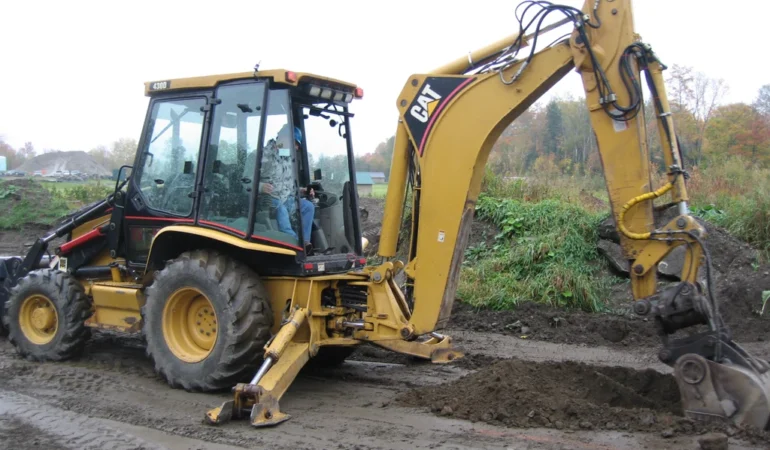
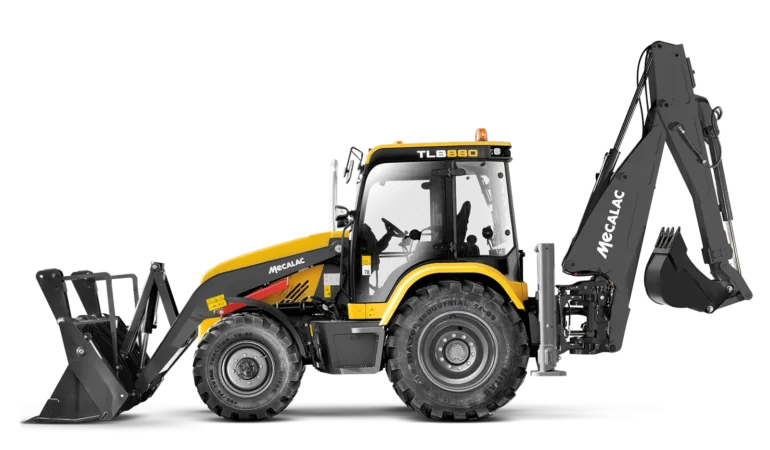
A backhoe loader combines two machines in one chassis: a front-mounted loader bucket for scooping, lifting, and moving material, and a rear-mounted excavator arm for digging trenches, footings, and utility lines. Because it can switch between loading and digging without leaving the site, it is one of the most versatile machines on any construction, water, or road project, which is why site managers rate a skilled TLB operator as one of their most valuable hires. Unlike a dedicated excavator or a wheel loader, the backhoe loader’s dual function means a single trained operator can cover two roles on a small to mid-sized site, which is exactly why contractors prefer candidates who already hold a certificate rather than training someone from scratch.

Who Should Enroll in Backhoe Loader Training

Backhoe loader training in Uganda suits a wide range of learners. School leavers who want a practical, well-paying trade without years of classroom study often find it a faster route into steady income than academic routes. Casual labourers already working on construction sites frequently enrol so that a certificate can convert their informal experience into a documented, employable skill. Drivers who already hold a licence for commercial vehicles often add a backhoe qualification to widen the jobs they can take. Returning diaspora and job seekers eyeing opportunities in the Gulf, South Sudan, or the Democratic Republic of Congo also train locally first, since an internationally recognised certificate travels with them. Whatever your starting point, the entry bar is deliberately low: basic literacy, a minimum age (usually 18), and the physical fitness to operate machinery safely.

What You Will Learn in a Backhoe Loader Operator Course

A properly run course does not simply hand you the controls on day one. Training typically opens with machine familiarisation and safety induction, covering pre-start inspections, personal protective equipment, and site hazard awareness. From there, learners move into controls and manoeuvring: mastering the loader bucket, the backhoe arm, stabilisers, and travel controls in a controlled yard before ever approaching a live excavation. Practical modules then cover trenching to specified depths and gradients, backfilling, loading trucks accurately, working near underground services, and basic routine maintenance and fault-spotting. Many programmes, including those offered alongside grader and bulldozer training, close with supervised fieldwork on a real or simulated worksite and a final practical assessment before certification is issued.

Backhoe Loader Training Duration and Course Structure

Most backhoe loader (TLB) programmes in Uganda run for roughly three weeks of full-time, hands-on instruction, which is enough time to move a beginner from basic controls to safe independent operation under supervision. The structure generally splits time between theory (safety regulations, machine systems, site communication) and practical yard and field sessions, weighted heavily toward hands-on hours because operating competence is what employers test for at interview. Full details of the current timetable and intake dates are published on the school’s course listings page, and prospective students are encouraged to confirm the next intake before travelling to campus.

Certification: UVTAB Accreditation and Why It Matters

A certificate is only as valuable as the body that stands behind it. In Uganda, the Uganda Vocational and Technical Assessment Board (UVTAB) is the national authority responsible for assessing and certifying practical, hands-on competencies, including skills learned through apprenticeship-style and on-the-job training rather than only classroom study. That matters enormously for machine operators, because it means your certificate reflects what you can actually do on a machine, not just what you can write in an exam. Training providers affiliated with Kenlink Institute, which runs a dedicated heavy machinery training programme alongside its other UVTAB-aligned courses, give learners a credential that employers and labour recruiters recognise well beyond a single company or district, which is a decisive advantage when applying for jobs upcountry or abroad.

Backhoe Loader Training Cost in Uganda

Course fees for backhoe loader (TLB) training in Uganda typically fall in a similar bracket to other single-machine operator courses, with a modest difference between rates for Ugandan nationals and international students, and payment plans commonly available for learners who cannot pay in full upfront. Costs generally cover machine time, fuel, instructor supervision, safety gear, and the final assessment. Because pricing is reviewed periodically and can vary by intake, always check the current, itemised fee structure before budgeting, and ask directly whether accommodation, meals, or UVTAB assessment fees are included or billed separately.

Why Choose Heavy Trucks Training School for Backhoe Loader Training

Choosing where to train matters as much as choosing to train at all. Heavy Trucks Training School operates its Kampala campus in partnership with Kenlink Institute, giving students access to an established, UVTAB-aligned assessment framework rather than an informal, uncertified course. The school’s about page and the story behind its founder reflect years of hands-on experience training operators for Uganda’s toughest sites, and the photo gallery shows real machines and real students, not stock images. Small class sizes mean more time behind the controls per student, instructors bring direct site experience rather than purely theoretical backgrounds, and the campus maintains a working fleet so learners train on the same class of machine they will meet on a real job, including graders, excavators, wheel loaders, and forklifts alongside the backhoe loader itself.

Related Heavy Machinery Courses You Can Combine With Backhoe Training

Few operators stop at a single machine once they see how quickly a second qualification widens their job options. Many backhoe loader graduates go on to add forklift operator training for warehouse and yard work, or wheel loader training for quarry and materials-handling roles. Others pair machine skills with a commercial driving qualification, since many contractors prefer operators who can also move equipment between sites. If your interests run toward road works specifically, grader training and bulldozer training complement backhoe skills well, and even the school’s tourism courses are worth a look for students who want a second, non-technical income stream during Uganda’s slower construction seasons. On the Kenlink Institute side, learners who want to broaden beyond machinery entirely can browse language courses or explore business consultation services for those planning to run their own equipment-hire business one day.

Career Opportunities After Backhoe Loader Training in Uganda

A certified backhoe loader operator has more doors open than most newly qualified tradespeople in Uganda. Road contractors on projects like the Kampala City Roads Rehabilitation Project need trench and excavation operators continuously. Water and sanitation contractors laying pipelines rely on TLB operators for utility trenching. Building contractors use backhoe loaders for foundation work on everything from residential plots to commercial developments, and quarry and materials firms hire operators who can load trucks quickly and accurately. Beyond direct employment, some graduates eventually rent or buy their own machine and work as independent contractors, hiring themselves out per job. Kenlink Institute’s own careers page is a useful place to see the kind of roles that regularly open up for graduates with a recognised operator certificate.

Admission Requirements and How to Apply

Applying is straightforward by design, because the schools behind this training want to remove barriers for serious candidates rather than add them. You will typically need a copy of your national ID or passport, a passport photo, and proof of your highest level of education, even if that is only primary or secondary school. There is no requirement for prior machine experience. Once you have your documents ready, you can start the process directly on the apply now page, or, if you are considering the wider range of UVTAB programmes under the Kenlink Institute umbrella, review the admission requirements and submit an application through the online application portal. Enrolled students can later track their progress through the student portal.

Tips to Succeed as a Backhoe Loader Operator

Passing a course is only the beginning of a long, well-paid career if you keep a few habits from day one. Treat every pre-start inspection as non-negotiable, since employers notice operators who check their machine before every shift far more than they notice operators who simply climb in and start working. Ask instructors to let you repeat manoeuvres you find awkward rather than moving on before you are confident, because confidence under real site pressure is what separates a hireable operator from one who only performed well in a quiet training yard. Keep your certificate, ID, and any site inductions organised in one folder so you can apply for new roles quickly, and stay in touch with your training school’s alumni and placement network, since many job leads circulate informally among graduates before they are ever advertised publicly.

Frequently Asked Questions About Backhoe Loader Training in Uganda

How long does backhoe loader training take? Most full-time TLB courses in Uganda run for about three weeks, combining safety theory with hands-on yard and field practice.

Do I need a driving licence to train? No, though pairing your operator certificate with driving training later on will make you more employable to contractors who also need equipment moved between sites.

Is the certificate recognised outside Uganda? A UVTAB-aligned certificate carries more weight with regional and international recruiters than an uncertified in-house certificate, since it is tied to a national assessment standard rather than a single school’s own paperwork.

Can I train on a forklift or grader at the same time? Some schools allow you to combine short courses, so ask about bundling backhoe training with forklift training or grader training during the same enrolment period to save on repeated induction costs.

What does training cost? Fees vary by intake and nationality; always confirm the current rate on the school’s fee structure page rather than relying on figures quoted informally.

Conclusion: Start Your Backhoe Loader Training Journey Today

Backhoe loader training in Uganda sits at the intersection of steady national demand and a genuinely achievable qualification: a few weeks of focused, hands-on instruction can put you on site earning within a month of enrolling. With Kampala’s road works, the Hoima stadium project, Kabalega International Airport, and oil-sector construction all competing for trained operators, the window to train and get ahead of the demand curve is open now, not later. Whether you choose a standalone TLB course or combine it with truck and driving training for a broader skill set, the practical steps are the same: confirm the next intake, gather your documents, and apply. Explore the current course line-up on the Heavy Trucks Training School homepage, or, if you want to see the full range of UVTAB-certified programmes behind it, visit Kenlink Institute’s about page to learn more about the institute training the operators Uganda’s construction sector is hiring right now.

Read More