
affordable-heavy-machinery-training-in-kampala-for-beginners

Affordable Heavy Machinery Training in Kampala for Beginners

Affordable Heavy Machinery Training in Kampala for Beginners. Uganda’s construction, infrastructure, and mining sectors are growing at a rapid pace, and the demand for qualified heavy machinery operators has never been higher. If you are a beginner looking to break into this industry without spending a fortune, Kampala is one of the best cities in East Africa to start. This guide walks you through everything you need to know about finding affordable, quality heavy machinery training — from what to look for in a school to which courses give you the fastest return on your investment.

Why Heavy Machinery Training Is a Smart Career Move in Uganda

Before diving into where to train, it helps to understand why this career path is worth pursuing. Uganda’s government continues to invest heavily in road construction, real estate, dam projects, and agricultural mechanisation. This means companies are constantly hiring grader operators, excavator operators, forklift drivers, and crane operators. According to a recent post on the KCI Institute blog about salaries of heavy equipment operators in Uganda, qualified operators can earn competitive wages that comfortably sustain a household. The skill gap in this sector also means that trained beginners can find employment faster than in many other trades. Essentially, short training time plus high demand equals a smart career investment.

What to Look for in an Affordable Training School

Not all training institutions offer the same value. When evaluating a school for heavy machinery training in Kampala, beginners should look for a few key qualities. First, prioritise hands-on, practical training over purely classroom-based learning. Operating a machine is a physical skill — you need real seat time to become competent. Second, check whether the school uses modern, industry-standard equipment. Outdated machines may not reflect what employers actually use on job sites. Third, look at the qualifications and experience of the trainers. Experienced instructors with real field backgrounds make a significant difference in the quality of your education. Finally, compare the fee structures honestly. Affordable does not mean cheap quality — it means getting genuine value at a price you can manage.

KCI Institute: Kampala’s Leading Affordable Training Centre

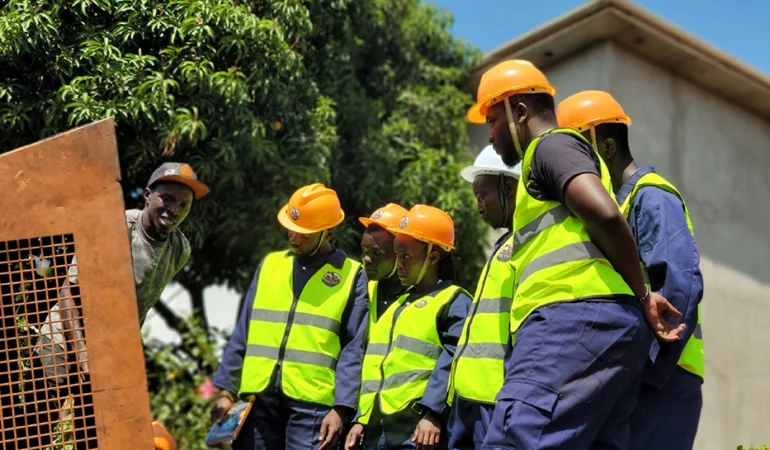
At KCI Institute, professional heavy machinery training is designed specifically to be accessible to beginners from all walks of life. As a specialised department under KCI Institute, the Heavy Trucks Training School at the Kampala Campus offers a wide range of practical, job-ready courses in some of the most in-demand machines in Uganda today. The school places a strong emphasis on safety, hands-on operation, and industry standards — everything a beginner needs to be job-ready upon completion. Training is guided by experienced instructors who understand what employers look for in the field.

Which Courses Are Available for Beginners?

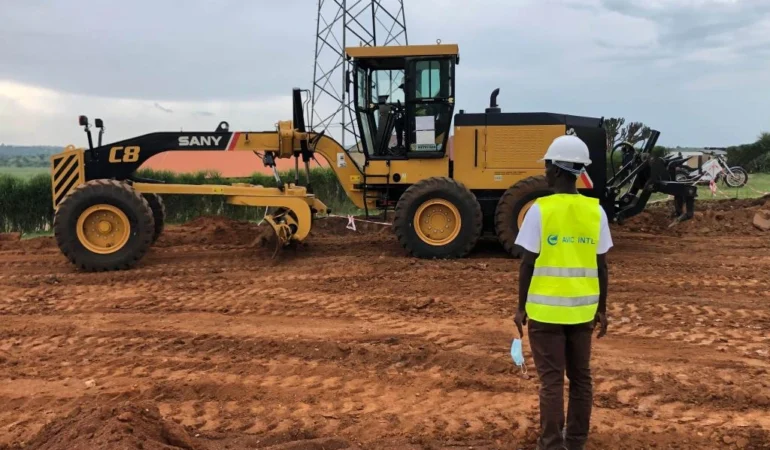
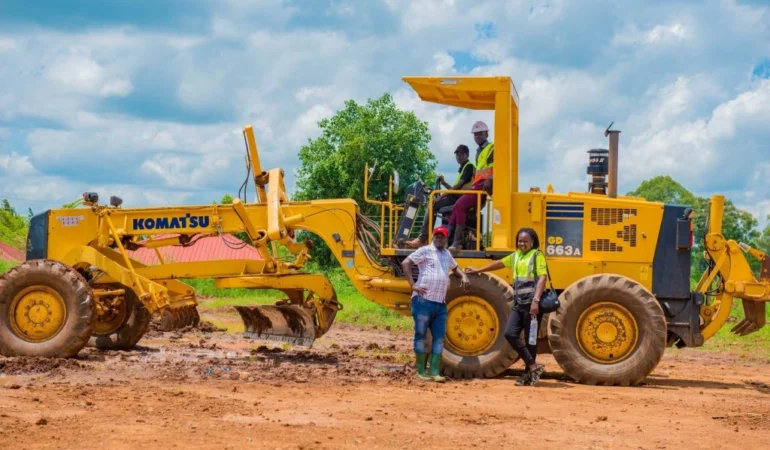
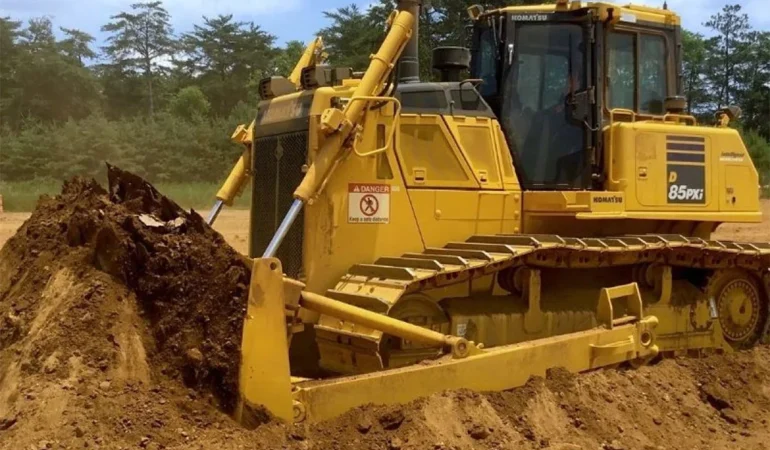
One of the great advantages of training at KCI Institute is the variety of beginner-friendly courses available. Whether you are interested in earthmoving, material handling, or road construction, there is a course for you. Popular options for beginners include Excavator Operation Training, which runs for three weeks and covers digging, grading, and safe machine handling. The Grader Operator Training course is ideal for those interested in road construction and takes four weeks to complete. For those in warehousing and logistics, the Forklift Operator Training course is just two weeks and one of the most affordable options available. The Bulldozer Training course prepares students for site-clearing and earthmoving roles in just three weeks. Each of these programmes is structured to take a complete beginner and turn them into a competent, certified operator in a matter of weeks — not years.

How Much Does It Cost?

One of the first questions beginners ask is about fees. KCI Institute has made a deliberate effort to keep training affordable for Ugandan nationals. You can find the full breakdown on the Fee Structure page, but as a general guide, courses start from as low as UGX 700,000 for forklift training and go up to around UGX 2,500,000 for more advanced equipment like dump trucks. Given that a single month of employment as a certified operator can cover these costs and more, the return on investment is very strong. International students are also welcome, and separate pricing applies to reflect the additional administrative requirements.

How Long Does It Take to Complete Training?

A concern many beginners have is time. The good news is that most courses at KCI Institute are designed to be completed in just two to eight weeks, depending on the machine. This is one of the shortest training timelines available for any career-changing skill in Uganda. For more information on timelines across different programmes, the KCI Institute article on how long it takes to learn heavy equipment operation is a helpful read that breaks down the learning curve for various machines.

How to Apply and Get Started

Getting started is straightforward. You can Apply Now directly through the Heavy Trucks Training School website, or visit the KCI Institute admissions page to submit your application. Intakes run regularly throughout the year, so there is no need to wait for a specific academic term. You can also visit the About Us page to learn more about the school’s history, its qualified trainers, and the facilities available to students.

Take the First Step Toward a High-Demand Career

Heavy machinery training is one of the most direct paths from beginner to employed in Uganda today. With affordable fees, short course durations, and practical training on real equipment, KCI Institute gives every student — regardless of their background — a genuine opportunity to build a stable and rewarding career. Do not let cost or uncertainty hold you back. The construction industry is waiting for skilled operators, and your training can begin sooner than you think.

Read More
how-to-become-a-certified-excavator-operator-in-uganda

How to Become a Certified Excavator Operator in Uganda

How to Become a Certified Excavator Operator in Uganda. Uganda’s construction and infrastructure sector is booming. From road expansion projects and real estate developments to mining operations and agricultural land preparation, the demand for skilled excavator operators has never been higher. If you are looking for a practical, well-paying career that puts you in the driver’s seat of Uganda’s growth, becoming a certified excavator operator is one of the smartest moves you can make. This guide walks you through everything you need to know — from the basics of the role to where you can get certified in Uganda.

What Does an Excavator Operator Do?

An excavator operator is a trained professional who controls a heavy hydraulic machine used to dig, move earth, demolish structures, and lift heavy materials on construction sites. Excavators are among the most widely used machines in construction, road building, mining, and utilities installation. As an operator, your duties may include digging trenches and foundations, clearing land, loading trucks with excavated material, and working closely with site engineers and other heavy machinery operators. The role demands technical skill, a sharp eye for safety, and the ability to read and interpret site plans.

Why Excavator Operator Certification Matters in Uganda

Many people in Uganda try to operate excavators without formal training, and this creates serious problems — workplace accidents, equipment damage, and costly project delays. Certified operators, on the other hand, are preferred by construction companies, government contractors, and international firms operating in the country. A certification proves that you have been trained to industry standards, that you understand machine safety, and that you can operate efficiently without putting lives or property at risk. Beyond safety, certification gives you a competitive edge in the job market and opens doors to better-paying positions both locally and across East Africa.

Entry Requirements to Join an Excavator Training Course

The good news is that you do not need a university degree to become an excavator operator. Most reputable training institutions in Uganda require candidates to have at least a Uganda Certificate of Education (UCE) or equivalent, basic literacy and numeracy skills, a genuine interest in heavy machinery, and good physical fitness and hand-eye coordination. Prior experience with any mechanical work or driving is an added advantage but is not mandatory. If you meet these basic requirements, you are already eligible to enroll in a professional excavator training course.

What You Will Learn During Training

A well-structured excavator training program covers both theory and practical skills. You will learn how an excavator works — its hydraulic system, engine, attachments, and controls. You will study site safety rules, personal protective equipment (PPE) requirements, and how to perform pre-operational checks on the machine. On the practical side, you will spend significant time operating the machine on real ground under the guidance of an experienced trainer. By the end of the course, you should be able to operate the excavator confidently, carry out basic maintenance, identify faults, and respond appropriately to on-site emergencies. At KCI Institute, our Excavator Operation Training program is designed to cover all of these areas within a structured three-week curriculum.

How Long Does It Take and How Much Does It Cost?

One of the greatest advantages of excavator operator training is that it is short, affordable, and immediately employable. At KCI Institute, the excavator course runs for just three weeks, making it ideal for those who cannot commit to long academic programs. The course fee is UGX 1,200,000 for Ugandan nationals and UGX 1,300,000 for international students. You can view the full breakdown of costs for all our programs on our Fee Structure page. This investment is modest when you consider that certified excavator operators in Uganda earn between UGX 800,000 and UGX 2,500,000 per month depending on experience and the employer.

Where to Get Certified in Uganda — KCI Institute

KCI Institute is one of Uganda’s most trusted institutions for heavy machinery training. Operating from our Kampala Campus, we have been equipping students with practical, job-ready skills in heavy machinery operation since our founding. Our training environment features modern equipment and experienced instructors who bring real site experience into every session. We are not just a classroom — we are a hands-on training ground where students operate real machines on real terrain.

You can explore our full range of programs on our Our Courses page, which includes training in graders, forklifts, bulldozers, cranes, dump trucks, and many more machines. For more information about KCI Institute’s programs and credentials, you can also visit the official KCI Institute Heavy Machinery Training page to learn more about what makes our curriculum stand out.

How to Apply and Get Started

Applying to KCI Institute is straightforward. You can submit your application directly through our Apply Now page or visit us physically at our Kampala Campus. Intakes are ongoing throughout the year, so you do not have to wait for a specific enrollment period. You can also register through the KCI Institute official application portal and our admissions team will get back to you promptly.

If you would like to learn more about who we are and our commitment to transforming lives through skills training, visit our About Us page.

Your Career Starts Here

Uganda needs more skilled heavy machinery operators, and the excavator is one of the most in-demand machines in the country. Whether you are a school leaver, a career changer, or someone looking to upgrade your skills, KCI Institute gives you the training, the certification, and the confidence to compete for the best jobs in the industry. Do not wait — your career as a certified excavator operator in Uganda can begin in as little as three weeks.

Read More
top-courses-for-heavy-machinery-operators-in-uganda

Top Courses for Heavy Machinery Operators in Uganda

Top Courses for Heavy Machinery Operators in Uganda. Uganda’s construction, infrastructure, and agricultural sectors are growing at a remarkable pace. Every new road, building, dam, and farm expansion demands one critical resource — skilled heavy machinery operators. If you are looking to build a hands-on, high-paying career in Uganda, enrolling in a professional heavy machinery course is one of the best decisions you can make. But where exactly do you go to get that training? This guide will walk you through the top places, courses, and what to expect when you enroll.

Why Heavy Machinery Skills Are in High Demand in Uganda

The Ugandan government continues to invest heavily in infrastructure development — from the Standard Gauge Railway project to major road expansions and urban construction. Private sector contractors, mining companies, and agricultural enterprises are all competing for experienced machinery operators. The unfortunate reality, however, is that qualified operators remain scarce. This creates a significant opportunity for anyone willing to invest a few weeks into proper, certified training.

Whether you want to operate an excavator on a construction site in Kampala, drive a dump truck in a quarry, or handle a grader on a road-building project upcountry, the right training institution will prepare you completely. You can learn more about how long it takes to learn heavy equipment operation and the realistic timelines involved before you begin.

KCI Institute — Uganda’s Leading Heavy Machinery Training School

When it comes to professional, practical, and affordable heavy machinery training in Uganda, KCI Institute stands out as the number-one choice. Operating through its specialized department — the Heavy Trucks Training School — KCI Institute is based at the Kampala Campus and has been transforming learners into job-ready operators for years.

At KCI Institute, training is not theoretical. Students get behind the controls of real machines under the supervision of experienced industry trainers. The focus is always on safety, efficiency, and mastery of international operating standards. You can explore the full range of our courses and find the one that best fits your career goals.

Top Courses Available for Heavy Machinery Operators

KCI Institute offers an impressive catalogue of courses covering virtually every machine used in Uganda’s major industries. Here is a breakdown of the most popular programs:

Excavator Operation Training — One of the most in-demand skills on Ugandan construction sites. The Excavator Operation Training course runs for 3 weeks and equips students with full operational and basic maintenance skills.

Grader Operator Training — Road construction projects depend heavily on skilled grader operators. The Grader Operator Training program is a 4-week course that covers land grading, levelling techniques, and machine safety protocols.

Bulldozer Training — Earthmoving and land clearing are essential in construction and agriculture. The Bulldozer Training course takes 3 weeks and prepares operators for challenging ground conditions.

Forklift Operator Training — Warehouses, manufacturing plants, and logistics companies all rely on forklift operators. The Forklift Operator Training course takes just 2 weeks, making it one of the quickest paths to employment.

Wheel Loader (Front-End Loader) Training — The Wheel Loader Operator Training program covers loading, transportation of materials, and safe operation across quarries and construction sites.

Beyond these, KCI Institute also offers training in Dump Trucks, Mobile Cranes, Tower Cranes, Rollers, Bobcats, TLB/Backhoe machines, Drill Rigs, and even specialist programs like Diesel Engine Mechanics, Hydraulic Systems, and Welding. You can visit the full heavy machinery training page at KCI Institute for a comprehensive overview of all available programmes.

What to Expect After Training

Graduates from KCI Institute are equipped to enter the job market immediately. The practical nature of the training means employers recognise the competence of students who complete programs here. Curious about what you could earn after qualifying? Read this detailed guide on the salary of heavy equipment operators in Uganda to understand the earning potential across different machines and industries.

For those interested in the mechanical side of things, KCI Institute also offers heavy machinery mechanics training in Uganda, which covers maintenance, fault diagnosis, and repair of construction machines — a career path that is just as rewarding as operating.

Fee Structure and Enrollment

KCI Institute offers some of the most competitive training fees in Uganda, with programmes starting as low as UGX 700,000 for nationals. You can view the complete fee structure to plan your investment. International students are also welcome, with clear pricing provided for each course.

Admissions are processed quickly, and intake runs throughout the year. If you are ready to take the first step, you can apply now directly through the website or visit the campus in Kampala. You can also learn more about our story and training philosophy on the About Us page.

Start Your Heavy Machinery Career Today

The opportunity is real, the demand is high, and the training is accessible. KCI Institute gives every student — whether a school leaver, a career changer, or someone looking to upgrade their skills — the chance to become a certified, confident heavy machinery operator. Do not wait for the right moment. The right moment is now.

Read More
where-to-study-heavy-equipment-operation-in-kampala

Where to Study Heavy Equipment Operation in Kampala

Where to Study Heavy Equipment Operation in Kampala. Uganda’s construction and infrastructure sector is growing rapidly, and with that growth comes a surging demand for skilled heavy equipment operators. From road construction to mining, agriculture, and real estate development, machines like excavators, graders, bulldozers, and forklifts are at the heart of every major project across the country. If you are looking to build a career in this field, Kampala is home to one of the best places to get trained — KCI Institute, through its dedicated Heavy Trucks Training School at heavytruckstrainingschool.com.

This guide walks you through everything you need to know about studying heavy equipment operation in Kampala, including what to look for in a training school, what courses are available, and why KCI Institute stands out as the top choice.

Why Heavy Equipment Operation Is a Smart Career Choice

Before diving into where to study, it is worth understanding why this career path is worth pursuing. Heavy equipment operators are among the most consistently employed skilled workers in Uganda. Government infrastructure projects, private real estate construction, and the ongoing expansion of mining and agricultural industries all require certified operators year-round.

Unlike many other vocational paths, heavy equipment operation offers relatively quick training timelines — most courses range from two to eight weeks — and the earning potential is strong. A certified excavator or crane operator in Uganda can earn a competitive wage, and internationally certified operators are in high demand across East Africa and beyond.

What to Look for in a Heavy Equipment Training School in Kampala

Not all training schools are created equal. When choosing where to study heavy equipment operation in Kampala, consider the following key factors:

Hands-on training: Theory alone is not enough. The best schools provide real machine time on actual construction equipment, not simulators or basic demonstrations.

Experienced instructors: Trainers should have real industry experience, not just academic qualifications.

Certification: Ensure the school issues certificates that are recognized by employers and relevant regulatory bodies in Uganda.

Course variety: A good school should offer a wide range of machine courses so you can specialise or build multiple skills.

Affordable fees: Training should be accessible. A transparent and fair fee structure is a sign of a trustworthy institution.

KCI Institute meets all of these criteria and more.

About KCI Institute — Kampala’s Leading Heavy Machinery Training School

KCI Institute was established in 2009 with a mission to transform communities through youth skills and education. Over the years, it has grown into one of Uganda’s most respected vocational and technical training institutions, offering programs that range from business and tourism to UVTAB-accredited courses and technical skills training.

Its specialised department — the Heavy Trucks Training School — is fully dedicated to heavy machinery and equipment operation. You can learn more about the school’s programmes directly at heavytruckstrainingschool.com/about-us. The school prides itself on practical, hands-on instruction delivered by seasoned industry professionals. Students train using modern, real-world machinery in a structured and safety-focused environment.

Courses Offered at KCI Institute’s Heavy Machinery Training School

The range of courses available at KCI’s Heavy Trucks Training School is impressively broad, making it easy for students to find a programme that fits their career goals. Here is a look at some of the most popular options:

Excavator Operation Training — One of the most in-demand skills in the construction industry. This three-week course prepares you to operate excavators safely and efficiently on real job sites.

Grader Operator Training — A four-week programme focused on road grading and levelling, essential for road construction and maintenance projects.

Bulldozer Training — This course covers earthmoving, site clearing, and general bulldozer operations in a hands-on three-week format.

Forklift Operator Training — A shorter, two-week course ideal for those targeting warehouse, logistics, and manufacturing roles.

Wheel Loader / Front-End Loader Training — Perfect for quarry, construction, and agricultural applications.

Driving Training — For those looking to get licensed for heavy trucks, tipper trucks, trailers, and more.

Other courses include bulldozer operation, mobile crane operation, tower crane, dump truck, drill rig, diesel and petrol engine mechanics, welding, and hydraulic systems — giving you the flexibility to build a comprehensive skill set. You can view the full list of heavy machinery training programmes on the KCI Institute main website.

Fees and Admission — Accessible and Transparent

KCI Institute believes in making quality training accessible. The fee structure is clearly published, with separate rates for Ugandan nationals and international students. Courses start from as low as UGX 700,000 for shorter programmes like forklift training, making it one of the most affordable quality training options in Kampala.

Admissions are open and processed quickly. You can apply online through the KCI Institute website or visit the campus in Kampala. The Apply Now page on the Heavy Trucks Training School website also provides everything you need to get started without delay.

Start Your Journey Today

If you are serious about a career in heavy equipment operation, there is no better time — or place — to begin than right here in Kampala at KCI Institute. With a proven track record since 2009, a wide selection of practical courses, qualified trainers, and fees that won’t break the bank, KCI Institute’s Heavy Trucks Training School is the clear first choice for aspiring operators across Uganda and East Africa.

Explore all available programmes, or head to kenlinkinstitute.ac.ug to learn more about the full range of opportunities at KCI Institute. Your future in heavy equipment operation starts with one decision — make it the right one.

Read More
best-heavy-machinery-training-schools-in-uganda

Best Heavy Machinery Training Schools in Uganda

Uganda’s construction, mining, and infrastructure sectors are growing at a remarkable pace. Every year, thousands of new projects demand skilled operators who can handle excavators, graders, bulldozers, cranes, and dump trucks with confidence and precision. Yet one of the biggest barriers to employment in this sector remains a simple one — the lack of proper, hands-on training. Choosing the right heavy machinery training school in Uganda can be the difference between landing a well-paying job and being left behind. In this guide, we highlight the best institutions offering heavy machinery training in Uganda, with a special focus on what makes KCI Institute stand out as the leading choice.

Why Heavy Machinery Training Matters in Uganda

The East African construction boom has created enormous demand for certified machine operators. Government infrastructure projects, private real estate developers, and international construction firms all require workers who are not just familiar with heavy equipment but are trained to operate it safely, efficiently, and according to industry standards. Untrained operators pose serious risks — to themselves, their colleagues, and expensive machinery. This is why enrolling in a government-recognized, professionally structured training program is not optional; it is essential. A good training school gives you hands-on practice, theoretical knowledge, and a certificate that employers trust.

KCI Institute — Uganda’s Top Heavy Machinery Training School

At the top of the list is KCI Institute, Uganda’s premier vocational and technical training institution. Operating since 2009, KCI Institute has built a strong reputation for transforming communities through practical skills and education. The institute operates a dedicated Heavy Machinery Training department that trains students on real equipment under the supervision of highly experienced instructors. Whether you are a school leaver looking for your first career or a working professional seeking to upgrade your qualifications, KCI Institute has a program tailored to your goals.

Through its specialized department — the Heavy Machinery Training School — KCI delivers structured, job-ready programs at the Kampala Campus. Students benefit from modern training facilities, a wide fleet of machines, and a curriculum built around real workplace demands. The school is recognized for producing operators who are immediately deployable on construction sites across Uganda and the region.

Courses Offered at KCI’s Heavy Machinery Training School

The range of courses available is one of the key strengths that makes this institution a cut above the rest. From excavator operation training to grader operator training, students can specialize in exactly the equipment they need. The bulldozer training program is especially popular among students targeting road construction, while the forklift operator training is ideal for those targeting the logistics and warehousing sectors.

Other programs include wheel loader operator training, dump truck, mobile crane, tower crane, TLB/backhoe, roller, bobcat, and even heavy truck driving courses such as trailer, Sino truck, and tipper training. There is also a strong offering in mechanical maintenance, including diesel engine mechanics, petrol engine mechanics, hydraulic systems, and welding — making this school a one-stop hub for anyone pursuing a career in heavy equipment. You can view the full list of available courses here.

Affordable Fees with Flexible Enrollment

One concern many prospective students have is cost. KCI Institute addresses this head-on with a transparent and competitive fee structure that caters to both Ugandan nationals and international students. Courses range from two weeks to eight weeks depending on the complexity of the equipment, and fees are structured accordingly. For example, a forklift course costs UGX 700,000 for nationals, while a tower crane course — one of the most advanced on offer — is priced at UGX 2,000,000. This makes professional operator training accessible even to individuals without a large budget.

International students from Kenya, Tanzania, Rwanda, South Sudan, and beyond also choose KCI for its affordability relative to training schools in other countries. The admissions process at KCI Institute is straightforward, and applications are processed quickly to ensure students can start as soon as possible.

What Sets KCI Institute Apart

Beyond courses and fees, what truly distinguishes KCI Institute is the quality of practical training. Students do not just watch demonstrations — they get behind the controls. Every program emphasizes safety protocols, equipment maintenance basics, and operational efficiency, giving graduates a well-rounded profile that employers value. The school’s trainers have real industry backgrounds, and the machines used during training are the same types students will encounter on the job.

The institute also offers driving training for those who need a foundational license before advancing to heavier equipment categories. This progression path allows complete beginners to start from scratch and build their skills step by step.

How to Apply

Getting started is simple. You can apply now directly on the website or visit the official KCI Institute application page to submit your details. Admissions are open on a rolling basis, meaning you do not have to wait for a new academic calendar to begin. Whether you are ready to enroll today or simply want to learn more, the team at KCI is available to guide you through every step.

Uganda’s heavy machinery and construction industry needs more trained, certified operators — and KCI Institute is meeting that need better than anyone else. With a wide course catalog, real hands-on training, experienced instructors, affordable fees, and a track record going back to 2009, it stands as the best heavy machinery training school in Uganda. If you are ready to turn your skills into opportunities, start your journey with KCI Institute today.

Read More
uganda-heavy-machinery-training

Uganda Heavy Machinery Training

Uganda Heavy Machinery Training. As Uganda continues to experience rapid infrastructural development and increased investment in construction, mining, and agriculture, the demand for skilled heavy equipment operators is rising steadily. Heavy machinery training has become an essential part of vocational education, equipping youth and professionals with the expertise to safely and effectively operate equipment such as bulldozers, excavators, graders, wheel loaders, backhoes, cranes, and forklifts.

Uganda’s push toward modernization and industrialization, especially in road construction, oil exploration, and mechanized farming, makes heavy equipment training a valuable skillset with promising employment opportunities. One of the institutions at the forefront of delivering this training is KCI Institute—a renowned technical and vocational education center located in Kampala.


The Importance of Heavy Machinery Training in Uganda

Heavy equipment operation is not just about sitting in a cab and steering a machine—it requires precision, safety awareness, mechanical understanding, and professional discipline. Improper handling of heavy machinery can lead to accidents, equipment damage, project delays, and even fatalities.

Training programs in Uganda aim to:

  • Improve safety on construction and industrial sites
  • Produce competent and certified operators
  • Enhance productivity through efficient machine handling
  • Promote employment and self-reliance among Ugandan youth

Most training institutions work closely with government authorities, private construction companies, and foreign investors to ensure the training meets industry standards and job market expectations.


Key Machinery Covered in Training Programs

Heavy machinery training courses in Uganda typically cover practical and theoretical knowledge in operating the following machines:

  • Excavators: Used in trenching, digging, and demolishing tasks
  • Bulldozers: Ideal for pushing earth, grading, and land clearing
  • Graders: Used to create a smooth finish on roads and construction surfaces
  • Wheel Loaders: Commonly used for moving soil, gravel, or other loose materials
  • Backhoe Loaders: Multi-purpose machines for excavation and loading
  • Cranes: Essential for lifting heavy construction materials
  • Forklifts: Used in warehouses and logistics for lifting and transporting pallets
  • Compactors: Utilized to compact soil, asphalt, or concrete

Students are trained not only in machine operation, but also in pre-operation checks, safety measures, machine maintenance, and site etiquette.


KCI Institute: A Leader in Heavy Equipment Training in Uganda

KCI Institute (Kampala College of Industrial Training) is one of the leading institutions in Uganda offering comprehensive and certified heavy equipment operator training. Located in Kampala, KCI has established a strong reputation for its hands-on training approach, experienced instructors, and up-to-date equipment that mirrors real-world conditions.

Programs and Curriculum

KCI Institute offers training in:

  • Excavator Operation
  • Bulldozer Operation
  • Grader Operation
  • Wheel Loader & Backhoe Operation
  • Crane Operation and Safety
  • Forklift Certification
  • Tower Crane and Rigging

The programs at KCI typically range from 4 to 8 weeks, depending on the machinery and level of proficiency required. Training is a mix of classroom-based theory, simulator sessions (where available), and practical field work with actual machines.

Certification

Upon successful completion, students receive a certificate of competency, which is recognized by contractors and employers in Uganda, East Africa, and beyond. KCI also assists students in preparing for National Industrial Training Authority (NITA-U) exams, which provide nationally recognized qualifications.

Modern Equipment and Practical Training Sites

KCI ensures students train on real heavy machinery under supervised conditions. The institute collaborates with construction firms, mining companies, and agricultural projects to give trainees exposure to real-life job environments. This makes graduates more job-ready and confident in handling machinery under different terrains and conditions.

Affordable Fees and Support

KCI Institute is committed to empowering Ugandan youth by making training affordable. The institute offers flexible payment plans, and in some cases, scholarship opportunities for underprivileged students. Accommodation and meals are also available for trainees from outside Kampala.


Career Opportunities After Training

Graduates from KCI and other reputable institutions in Uganda have a wide range of employment opportunities, including:

  • Construction Companies: Road works, building sites, dam construction
  • Mining and Quarrying: Operating excavators and bulldozers in mineral extraction
  • Oil and Gas Sector: Especially in areas like Hoima and Buliisa where equipment operation is crucial
  • Agribusiness and Mechanized Farming: Handling tractors and other machinery
  • Logistics and Warehousing: Forklift operators are in constant demand
  • International Work: Certified operators from Uganda are often recruited for work in South Sudan, Kenya, UAE, and other countries

In addition to employment, many trainees use their skills to start small equipment rental businesses, contributing to Uganda’s growing SME sector.


Why Choose Heavy Machinery Training?

Heavy machinery training offers a practical, hands-on path to meaningful employment, especially for youth who may not pursue traditional academic degrees. The return on investment is high—graduates can earn competitive salaries or become independent contractors.

It also contributes directly to national development. Uganda’s Vision 2040 and its infrastructure development plans rely heavily on a skilled workforce capable of driving the machinery that builds roads, bridges, buildings, and more.

Read More
training-big-trucks-sino-trucks-in-uganda

Training Big Trucks/ Sino Trucks in Uganda

Training Big Trucks/ Sino Trucks in Uganda. Uganda’s booming construction, logistics, and transportation sectors have created a rising demand for skilled heavy truck drivers. Big trucks—including Sino trucks, commonly used in infrastructure projects—are now a vital part of Uganda’s economic machinery. Operating these vehicles safely and efficiently requires more than just basic driving skills. It demands professional training, discipline, and a deep understanding of heavy vehicle systems. This blog explores the landscape of big truck and Sino truck training in Uganda, why it matters, and how individuals can pursue a career in this lucrative and growing field.


The Need for Heavy Truck Drivers in Uganda

Uganda’s infrastructure projects—roads, dams, oil pipelines, and housing developments—require constant movement of materials and machinery. This has increased the reliance on heavy trucks, especially Sino trucks, known for their durability and capacity. These trucks transport building materials such as sand, cement, stones, and heavy equipment to and from construction sites across the country.

With increased investment in sectors such as oil and gas, and regional trade with neighbors like South Sudan, DR Congo, and Rwanda, there is an urgent need for professional drivers who are trained to operate these trucks under different conditions—urban, rural, and cross-border highways.


Understanding Sino Trucks

Sino trucks, manufactured by China National Heavy Duty Truck Group Co., Ltd (CNHTC), are among the most popular heavy trucks used in Uganda. They are cost-effective, reliable, and can endure rough terrains, making them ideal for Uganda’s varied road conditions. However, due to their size, weight, and complex mechanical systems, they require specialized training for safe and efficient operation.


What Big Truck Training Covers

Professional big truck training in Uganda typically includes both theoretical and practical lessons. The goal is to equip trainees with the necessary skills to drive, manage, and maintain heavy vehicles like Sino trucks. Here are some of the core components of the training:

1. Vehicle Inspection and Maintenance

Trainees learn how to perform daily inspections of the truck, check fluid levels, tire pressure, brake systems, and lights. Preventive maintenance is also taught to reduce breakdowns and improve safety.

2. Driving Techniques

Instructors guide learners on how to handle big trucks on various roads—flat terrain, hills, and muddy construction sites. Proper gear use, braking techniques, and turning maneuvers are emphasized.

3. Load Management

Understanding how to load and secure cargo properly is essential. Overloading and improper load distribution can lead to accidents or damage to the truck.

4. Road Safety and Traffic Rules

Heavy truck drivers must follow road safety laws strictly. Training programs include defensive driving, understanding traffic signs, and managing driving hours to avoid fatigue.

5. Emergency Response

What happens when a truck breaks down in a remote location? Drivers are taught basic troubleshooting and emergency procedures such as using safety triangles, fire extinguishers, and first aid.


Who Offers Heavy Truck Training in Uganda?

Several technical schools and driving institutes across Uganda for Example KCI Institute, offer specialized training in big trucks, including Sino trucks. These programs usually range from 2 to 6 weeks depending on the level of experience and desired certification. Some reputable institutes also offer refresher courses for experienced drivers seeking to upgrade their skills or renew licenses.

Candidates must usually possess a valid driving permit (at least Class B), and be physically fit to handle the demands of heavy-duty driving. Upon completion of the training, most institutes offer a Class CM or CH driving license, which qualifies individuals to operate commercial trucks in Uganda.


Career Opportunities After Training

Completing a professional big truck training course opens up numerous career paths. Trained drivers can work in:

  • Construction companies
  • Transport and logistics firms
  • Oil and gas companies
  • Government road works agencies
  • Private haulage services

Due to the shortage of qualified drivers, trained professionals are often in high demand and can command competitive salaries. Some even go on to become instructors or open their own transport businesses.

apply-now
Read More
forklift-training-in-uganda

Forklift Training in Uganda

Forklift Training in Uganda. As Uganda’s construction, manufacturing, and logistics sectors expand, so does the demand for trained machinery operators—especially forklift drivers. Forklifts are essential in the movement of heavy goods across warehouses, factories, and construction sites. To operate them safely and efficiently, individuals need formal training and certification. Forklift training in Uganda is now more accessible than ever, thanks to institutions like KCI Institute, which offer professional, hands-on training tailored to industry standards.


Why Forklift Training Matters

Forklift operation may seem straightforward, but improper handling can lead to accidents, damage to goods, and costly workplace injuries. Proper training equips operators with:

  • Safety Awareness: Understanding the risks and how to avoid accidents on the job site.
  • Regulatory Compliance: Meeting the safety and operational standards outlined by Uganda’s Occupational Safety and Health Act.
  • Increased Employability: Certified forklift operators are more attractive to employers in Uganda and abroad.
  • Higher Efficiency: Trained drivers can complete tasks quicker, more safely, and with less damage to materials and equipment.

Employers increasingly require certification for forklift drivers as a mandatory qualification before employment.


What the Training Involves

Forklift training programs typically include both theoretical instruction and practical application to ensure a well-rounded skillset.

1. Theoretical Lessons

Participants learn:

  • Types and functions of forklifts
  • Basic mechanics and maintenance
  • Understanding load capacity and balance
  • Forklift safety rules
  • Site operation standards and accident prevention

2. Practical Training

Trainees are given hands-on instruction in:

  • Driving and maneuvering the forklift
  • Lifting, transporting, and stacking loads
  • Working on different surfaces
  • Conducting safety checks
  • Emergency response procedures

This combination ensures that trainees are not only familiar with forklift components but are also confident in real operational settings.


KCI Institute – Leading the Way in Forklift Training

Among Uganda’s most respected vocational institutions, KCI Institute stands out for its industry-aligned forklift training programs. Located in Kampala, KCI offers comprehensive training that prepares students for work both locally and internationally.

Why Choose KCI Institute?

  • Accredited Curriculum: Training that meets both national and international standards.
  • Qualified Instructors: Experienced trainers with practical knowledge of the field.
  • Modern Equipment: Access to up-to-date forklifts and a real training environment.
  • Flexible Learning: Options for both full-time students and working individuals.

KCI Institute also supports its graduates in finding employment by linking them with partner logistics firms and construction companies.


Course Duration and Certification

Forklift training at KCI Institute typically lasts 3 to 5 days, depending on your prior experience. The course ends with both a written assessment and a practical evaluation. Upon successful completion, students receive a Certificate of Competence—a recognized credential that enhances employability within Uganda and across the East African region.


Eligibility and Requirements

Forklift training at KCI Institute is open to:

  • Individuals aged 18 and above
  • Literate applicants with at least basic reading and writing skills
  • Physically fit individuals with good coordination

A valid driving permit is not mandatory, although it may be beneficial for broader opportunities.


Career Opportunities After Training

After earning certification from KCI Institute, you can pursue forklift operator positions in:

  • Warehousing and distribution centers
  • Construction and road works
  • Agricultural and produce storage facilities
  • Import/export and shipping companies
  • Manufacturing industries

Experienced forklift operators often advance into supervisory roles or choose to specialize in other types of heavy machinery.

Forklift training in Uganda is a stepping stone toward a promising career in the growing industrial sector. Institutions like KCI Institute play a pivotal role in equipping Ugandans with the practical skills needed to operate safely, meet industry demands, and secure reliable employment. Whether you’re new to the workforce or looking to upgrade your qualifications, enrolling in forklift training at KCI Institute is a smart and strategic move toward your professional future.

Read More
driving-truck-training-in-uganda

Driving Truck Training in Uganda

Driving Truck Training in Uganda. Uganda’s transport and logistics sector plays a vital role in national development. From long-distance haulage across East Africa to internal distribution of goods, the need for professionally trained truck drivers has never been greater. As the economy continues to grow and infrastructure projects expand, trained truck drivers are in high demand. Driving truck training in Uganda offers aspiring drivers the skills, knowledge, and certification required to enter this dynamic and rewarding field.


The Importance of Truck Driving in Uganda

Truck driving is a cornerstone of Uganda’s logistics and supply chain industries. Trucks are used to transport agricultural produce, building materials, fuel, and other goods across the country and beyond. From the bustling highways linking Kampala to border towns like Malaba and Mutukula, to rugged rural roads, professional truck drivers keep commerce moving. Yet, driving a heavy truck requires more than just basic driving skills — it demands specialized training in safety, road regulations, and vehicle maintenance.


The Structure of Truck Driving Training

Truck driving courses in Uganda are structured to equip learners with both theoretical knowledge and hands-on practical experience. The duration of training varies depending on the institution and the level of experience a student already has.

Typically, training is divided into the following sections:

  1. Theory Lessons
    These sessions cover traffic rules, defensive driving techniques, road signs, safety standards, fuel efficiency practices, and basic mechanical knowledge. Learners also study the Highway Code and gain awareness of logistics operations.
  2. Practical Driving
    Students spend time behind the wheel, learning to drive different types of trucks, such as rigid trucks, articulated trailers, and container lorries. Training includes reversing, hill starts, lane discipline, parking, and maneuvering in tight spaces.
  3. Vehicle Inspection and Maintenance
    Truck drivers must understand the mechanics of their vehicles. Training includes lessons on pre-trip inspections, identifying common faults, and basic maintenance to avoid breakdowns on the road.
  4. Cargo Handling and Road Safety
    Drivers are taught how to load and secure cargo properly to prevent shifting or spillage during transport. They also learn emergency procedures, accident prevention, and first aid basics.

Requirements for Joining Truck Training Programs

To enroll in a truck driving course in Uganda, applicants generally must:

  • Be at least 25 years old.
  • Hold a valid national driver’s license (Class B or above).
  • Have a clean driving record.
  • Pass a basic health and vision test.
  • Undergo an initial assessment to determine skill level.

While these requirements may vary slightly between training centers, they ensure that trainees are physically and mentally prepared for the responsibilities of heavy vehicle operation.


Certified Training Institutions

Several certified institutions like KCI Institute and others across Uganda offer professional truck driving programs. Some are government-registered, while others are private centers affiliated with logistics companies. These institutions provide modern trucks for practice, experienced instructors, and simulation labs where applicable.

Graduates from certified institutions receive a Class C or CM driver’s license upon successful completion of training and testing. This license qualifies them to drive heavy commercial vehicles both in Uganda and within the East African region.


Career Opportunities for Truck Drivers

Qualified truck drivers in Uganda enjoy a wide range of employment opportunities. They can work for:

  • Transport and logistics companies
  • Construction firms
  • Oil and fuel distribution companies
  • Non-governmental organizations (NGOs) operating in remote areas
  • Self-employment as independent contractors

With regional integration, Ugandan truck drivers often secure jobs driving across borders into Kenya, Tanzania, Rwanda, South Sudan, and the Democratic Republic of Congo (DRC), making it a lucrative career with travel opportunities.


Challenges in the Industry

Despite its potential, the truck driving profession in Uganda faces several challenges. These include poor road conditions in some areas, long working hours, exposure to insecurity, and health risks due to sedentary lifestyles. However, many training programs now incorporate modules on driver wellness, fatigue management, and safe driving practices to help address these concerns.


The Future of Truck Driving Training in Uganda

As Uganda continues to develop its infrastructure and boost trade within the East African Community (EAC), the demand for skilled truck drivers is set to increase. Technological advances such as GPS tracking, fleet management systems, and telematics are also becoming part of truck driving, prompting training institutions to modernize their curricula.

Truck driving is no longer seen as a fallback job — it is a skilled profession that provides a stable income and opportunities for growth. With proper training, Ugandan drivers can rise to meet both national and regional transport needs effectively.

apply-now
Read More
heavy-machine-training-in-uganda

Heavy Machine Training in Uganda

Heavy Machine Training in Uganda. Uganda’s construction, mining, agriculture, and logistics industries are expanding rapidly, driven by infrastructure development and regional trade. With this growth comes a rising demand for skilled heavy machine operators—individuals trained to safely and efficiently handle equipment like excavators, bulldozers, cranes, graders, and more.

For anyone seeking to join these industries, Heavy Machine Training is essential. It not only boosts employability but also ensures safe operations and better project outcomes.

Among the leading institutions providing this training in Uganda is KCI Institute, known for its practical, affordable, and industry-relevant programs.


Why Heavy Machine Training is Important

Operating heavy machinery requires more than physical strength—operators must understand:
✔️ Safety protocols
✔️ Machine controls and systems
✔️ Routine maintenance
✔️ Handling equipment in complex environments
✔️ Regulatory requirements

Improper operation can lead to accidents, costly equipment damage, and project delays. Certified training ensures operators meet industry standards and can perform their roles confidently.

In Uganda, with road construction, mining, oil projects, and large-scale agriculture on the rise, qualified machine operators are highly sought after.


KCI Institute – Uganda’s Premier Heavy Machine Training Center

If you’re looking for professional heavy machine training in Uganda, KCI Institute is a trusted name. Located in Kampala, KCI has built a strong reputation for producing job-ready machine operators.

Courses Offered at KCI Institute

KCI Institute provides a wide range of training programs tailored to meet the needs of Uganda’s job market. Courses include:

Excavator Operator Training
Excavators are vital for construction, mining, and earthmoving. KCI provides thorough practical and theoretical training in machine handling, safety, and routine checks.

Bulldozer Operator Training
Bulldozers are used in land clearing, road construction, and site preparation. Trainees at KCI master blade control, slope creation, and operating on challenging terrains.

Grader Operator Training
Grader operators are essential for road construction and maintenance. KCI’s training ensures students can level surfaces accurately and handle complex roadworks.

Backhoe Loader (TLB) Training
A versatile machine used across construction and agriculture, KCI’s TLB training covers loader and backhoe operations, safety, and basic maintenance.

Mobile Crane Operator Training
KCI trains operators in lifting techniques, load management, and crane safety. Courses cover different crane types, meeting industry requirements.

Forklift and Roller Training
Forklifts are essential in warehousing, while rollers are used in road compaction. KCI offers short, effective training to ensure safe and efficient use of these machines.

Mechanical Basics for Heavy Machinery
Understanding machine systems is critical. KCI offers optional mechanical modules, covering diesel engines, hydraulics, and troubleshooting.


Affordable and Flexible Training Programs

KCI Institute believes in making technical training accessible. Course durations and fees are designed to suit various learners, including:

💡 Excavator Training: Around 3 weeks, approximately UGX 1.3 million
💡 Grader Training: About 4 weeks, around UGX 1.7 million
💡 Mobile Crane Training: Depending on type, around UGX 2.8 million and above

Training packages include theory lessons, practical hands-on sessions, safety modules, and assessments. KCI also offers flexible payment options, making training more accessible for youth, job seekers, and those looking to upgrade skills.


Certification and Career Opportunities

Graduates of KCI Institute receive certificates recognized by employers in Uganda and across East Africa. With heavy machine certification, career opportunities open up in:

✔️ Road construction and maintenance projects
✔️ Building and civil engineering companies
✔️ Mining and quarry operations
✔️ Agricultural mechanization projects
✔️ Logistics and material handling sectors

KCI Institute’s graduates are well-prepared to meet the practical demands of the job, making them highly attractive to employers.


Practical, Hands-On Training Approach

At KCI Institute, training isn’t confined to the classroom. The institute emphasizes:

🔧 Real machine operations on dedicated training grounds
🔧 Troubleshooting common machine issues
🔧 Strict safety procedures
🔧 Machine inspection and daily maintenance routines

This practical approach ensures students graduate with real-world experience, ready to handle machinery safely and efficiently in any work environment.


Who Can Join KCI Institute?

KCI Institute welcomes:

✅ School leavers and youths seeking vocational training
✅ Experienced operators needing formal certification
✅ Workers looking to upgrade their skills
✅ Individuals switching careers into construction or logistics

There are no strict academic barriers. What matters most is the willingness to learn, basic comprehension (instruction is in English), and commitment to safe machine operation.


Your Future Starts with Heavy Machine Training

Uganda’s development depends on skilled heavy machine operators, and KCI Institute provides the training to meet this demand. Whether you’re seeking your first job, advancing your career, or switching industries, KCI equips you with:

✅ Practical machine handling skills
✅ Industry-recognized certification
✅ Safety knowledge
✅ Access to growing job opportunities

With affordable fees, experienced instructors, and a focus on real-world training, KCI Institute is your gateway to a stable and rewarding career in heavy machine operation.

Read More