

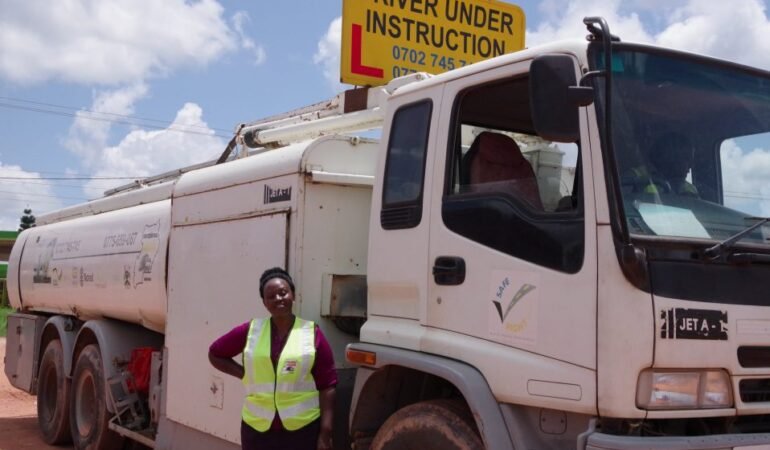
Driving Truck Training in Uganda. Uganda’s transport and logistics sector plays a vital role in national development. From long-distance haulage across East Africa to internal distribution of goods, the need for professionally trained truck drivers has never been greater. As the economy continues to grow and infrastructure projects expand, trained truck drivers are in high demand. Driving truck training in Uganda offers aspiring drivers the skills, knowledge, and certification required to enter this dynamic and rewarding field.
The Importance of Truck Driving in Uganda
Truck driving is a cornerstone of Uganda’s logistics and supply chain industries. Trucks are used to transport agricultural produce, building materials, fuel, and other goods across the country and beyond. From the bustling highways linking Kampala to border towns like Malaba and Mutukula, to rugged rural roads, professional truck drivers keep commerce moving. Yet, driving a heavy truck requires more than just basic driving skills — it demands specialized training in safety, road regulations, and vehicle maintenance.
The Structure of Truck Driving Training
Truck driving courses in Uganda are structured to equip learners with both theoretical knowledge and hands-on practical experience. The duration of training varies depending on the institution and the level of experience a student already has.
Typically, training is divided into the following sections:
- Theory Lessons
These sessions cover traffic rules, defensive driving techniques, road signs, safety standards, fuel efficiency practices, and basic mechanical knowledge. Learners also study the Highway Code and gain awareness of logistics operations. - Practical Driving
Students spend time behind the wheel, learning to drive different types of trucks, such as rigid trucks, articulated trailers, and container lorries. Training includes reversing, hill starts, lane discipline, parking, and maneuvering in tight spaces. - Vehicle Inspection and Maintenance
Truck drivers must understand the mechanics of their vehicles. Training includes lessons on pre-trip inspections, identifying common faults, and basic maintenance to avoid breakdowns on the road. - Cargo Handling and Road Safety
Drivers are taught how to load and secure cargo properly to prevent shifting or spillage during transport. They also learn emergency procedures, accident prevention, and first aid basics.
Requirements for Joining Truck Training Programs
To enroll in a truck driving course in Uganda, applicants generally must:
- Be at least 25 years old.
- Hold a valid national driver’s license (Class B or above).
- Have a clean driving record.
- Pass a basic health and vision test.
- Undergo an initial assessment to determine skill level.
While these requirements may vary slightly between training centers, they ensure that trainees are physically and mentally prepared for the responsibilities of heavy vehicle operation.
Certified Training Institutions
Several certified institutions like KCI Institute and others across Uganda offer professional truck driving programs. Some are government-registered, while others are private centers affiliated with logistics companies. These institutions provide modern trucks for practice, experienced instructors, and simulation labs where applicable.
Graduates from certified institutions receive a Class C or CM driver’s license upon successful completion of training and testing. This license qualifies them to drive heavy commercial vehicles both in Uganda and within the East African region.
Career Opportunities for Truck Drivers
Qualified truck drivers in Uganda enjoy a wide range of employment opportunities. They can work for:
- Transport and logistics companies
- Construction firms
- Oil and fuel distribution companies
- Non-governmental organizations (NGOs) operating in remote areas
- Self-employment as independent contractors
With regional integration, Ugandan truck drivers often secure jobs driving across borders into Kenya, Tanzania, Rwanda, South Sudan, and the Democratic Republic of Congo (DRC), making it a lucrative career with travel opportunities.
Challenges in the Industry
Despite its potential, the truck driving profession in Uganda faces several challenges. These include poor road conditions in some areas, long working hours, exposure to insecurity, and health risks due to sedentary lifestyles. However, many training programs now incorporate modules on driver wellness, fatigue management, and safe driving practices to help address these concerns.
The Future of Truck Driving Training in Uganda
As Uganda continues to develop its infrastructure and boost trade within the East African Community (EAC), the demand for skilled truck drivers is set to increase. Technological advances such as GPS tracking, fleet management systems, and telematics are also becoming part of truck driving, prompting training institutions to modernize their curricula.
Truck driving is no longer seen as a fallback job — it is a skilled profession that provides a stable income and opportunities for growth. With proper training, Ugandan drivers can rise to meet both national and regional transport needs effectively.