
Heavy Machinery Training Institutions. The construction, mining, agricultural, and logistics industries rely heavily on skilled operators of heavy machinery. From bulldozers to excavators, cranes to graders, these machines require proper handling to ensure safety, efficiency, and productivity. This demand has led to the rise of specialized Heavy Machinery Training Institutions, which play a vital role in equipping individuals with the knowledge and skills required to operate heavy equipment professionally.
The Importance of Heavy Machinery Training
Operating heavy machinery is not just about turning on the engine and moving the machine. It requires technical knowledge, hands-on skills, and an understanding of safety protocols. Without proper training, accidents, injuries, and equipment damage are likely to occur.
Heavy machinery training institutions provide a structured environment where students can learn the practical and theoretical aspects of machine operation. Trainees become familiar with different types of equipment, learn maintenance basics, and gain insights into worksite safety regulations. This not only reduces workplace risks but also enhances job performance.
Employers today prefer hiring individuals with formal training certificates from recognized institutions, as this indicates a level of competence and professionalism that reduces liability and ensures efficient operations.
Courses Offered by Heavy Machinery Training Institutions
Most training centers offer a range of courses tailored to meet industry demands. These courses vary in duration depending on the complexity of the machinery and the learner’s previous experience. Common training programs include:
- Excavator Operator Training
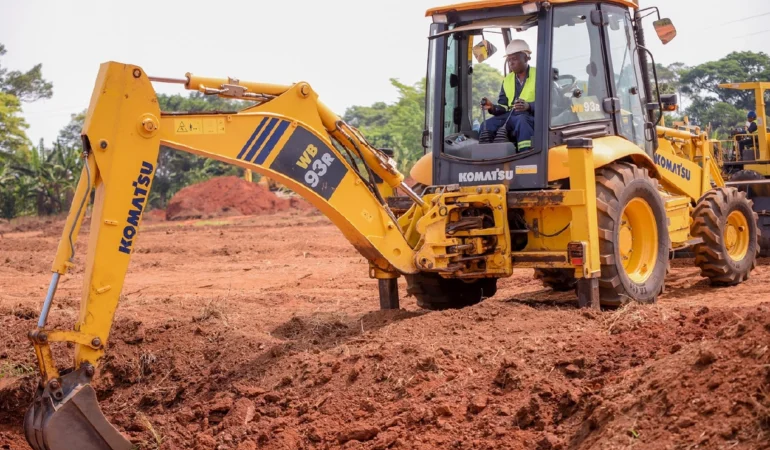
Participants learn how to operate excavators for digging, trenching, and loading materials. The course also covers basic maintenance and safety checks. - Bulldozer Operator Training
This involves hands-on experience with bulldozers, including terrain leveling, grading, and safe machine handling techniques. - Grader Operator Training
Grader training focuses on road construction and maintenance, teaching students how to level surfaces and work on large-scale earth-moving projects. - Crane Operation and Rigging
Operating cranes requires precision and understanding of load management. This course emphasizes both practical operation and safety measures. - Forklift and Loader Operation
Ideal for warehouse, construction, and agricultural settings, this training focuses on lifting, transporting, and stacking materials efficiently.
Institutions often combine practical fieldwork with classroom instruction, ensuring learners are well-rounded and confident in both the theory and application of machine operations.
Key Features of a Good Heavy Machinery Training Institution
When selecting a heavy machinery training institution, it is essential to consider several factors to ensure quality education and maximum value for your investment. Some key features to look for include:
- Accreditation and Certification
Reputable institutions are accredited by relevant industry bodies or government agencies, ensuring their courses meet set standards. Graduates should receive recognized certificates that enhance employability. - Qualified Instructors
Instructors with real-world experience in heavy machinery operations provide invaluable knowledge and mentorship to students. - Modern Equipment
Training should be conducted using equipment that reflects current industry standards. Access to modern machinery enhances learning and prepares students for actual job environments. - Comprehensive Safety Training
A good institution emphasizes occupational health and safety, teaching students how to identify hazards, use personal protective equipment (PPE), and follow workplace safety protocols. - Flexible Training Options
Many institutions offer both full-time and part-time programs to accommodate different schedules, including short courses for those seeking to upgrade their skills quickly.
Career Opportunities After Heavy Machinery Training
Completing a course at a recognized heavy machinery training institution opens doors to various career paths. Industries such as construction, mining, roadworks, agriculture, and logistics are constantly in need of qualified machine operators. Some of the positions one can pursue include:
- Excavator or Bulldozer Operator
- Grader or Roller Operator
- Crane or Forklift Operator
- Earth-moving Equipment Supervisor
- Machine Maintenance Technician
Additionally, with experience, operators can advance into supervisory roles or start their own machinery service businesses.
Conclusion
Heavy machinery training institutions play a vital role in developing a skilled workforce capable of operating complex equipment safely and efficiently. For individuals aspiring to build a rewarding career in industries such as construction, mining, agriculture, or logistics, enrolling in a reputable training center is the essential first step toward success.
Institutions like KCI Institute are at the forefront of providing quality heavy machinery training in Uganda. KCI Institute equips trainees with both theoretical knowledge and hands-on practical skills, ensuring they are ready to meet the demands of the job market. Whether you are a school leaver, a professional seeking certification, or someone looking to transition into a new career, KCI Institute offers the right platform to enhance your skills, boost your job prospects, and promote workplace safety and operational excellence. With the growing demand for qualified machine operators, heavy machinery training from KCI Institute provides a solid foundation for growth and long-term career opportunities.